
All Star Asphalt

Author name: admin

Understanding the Impact of Public Asphalt Paving Regulations on Residential Projects
Blogs

Understanding the Impact of Public Asphalt Paving Regulations on Residential Projects

Public asphalt paving regulations play a crucial role in residential projects, yet many homeowners are unaware of their implications. These regulations dictate vital aspects such as design, materials, and compliance, which can significantly impact the durability of roads and streets around their homes. This article will delve into the importance of adhering to these regulations, the specific design and planning specifications required, and how local variations may influence projects. By understanding these guidelines, readers can avoid costly pitfalls like potholes and ensure their paving projects enhance the curb appeal and longevity of their property. Understanding Public Asphalt Paving Regulations Public asphalt paving regulations have historical roots that shape current standards for projects involving concrete surfaces like sidewalks and driveways. Key stakeholders, including local government, regulatory agencies, and contractors, play vital roles in establishing these rules, ensuring safety and compliance. Understanding these factors is essential for residential projects, as they impact recycling practices and storage considerations. Historical Context of Paving Regulations The historical context of paving regulations reveals their evolution alongside urban infrastructure development. Over the years, specific standards have emerged to govern public paving projects, emphasizing safety and quality in construction. This ensures appropriate inspection protocols are in place, tailored to enhance the durability and usability of surfaces that residents depend on. Year Key Regulation Impact on Paving 1960 Introduction of Standard Specifications Established baseline quality for public paving projects. 1990 Mandatory Safety Inspections Improved accountability towards public safety in asphalt paving. 2010 Focus on Environmental Practices Encouraged recycling in construction methods for sustainability. Key Stakeholders Involved in Regulation Key stakeholders in public asphalt paving regulation include local government officials, regulatory agencies, and contractors, all of whom influence budget decisions and project outcomes. These groups are responsible for establishing guidelines that ensure proper drainage and safety measures in paving projects, which directly impact the longevity of asphalt surfaces. For example, adherence to regulations regarding tar and tire wear can significantly enhance the durability of residential driveways, ultimately benefiting homeowners through reduced maintenance costs. The Importance of Compliance in Residential Projects Non-compliance with public asphalt paving regulations can lead to significant issues, including costly repairs and safety hazards. Conversely, adhering to these guidelines offers benefits such as enhanced durability and lower maintenance costs for residential projects. This section explores the ramifications of ignoring these regulations, as well as the advantages of following them for effective resurfacing, particularly during the summer months. Consequences of Non-Compliance Non-compliance with public asphalt paving regulations can result in significant repair costs for homeowners. When asphalt pavement is not installed according to national asphalt pavement standards, it may lead to issues such as cracks, potholes, and reduced lifespan, ultimately creating safety hazards. Homeowners may find themselves frequently visiting repair services, which can be costly over time, emphasizing the importance of adhering to established guidelines and programs available on reputable paving websites. Benefits of Adhering to Regulations Adhering to public asphalt paving regulations brings significant benefits to residential projects, particularly in enhancing the pavement condition index, a crucial measure of surface quality. In Wisconsin, compliance ensures that driveways and roads are constructed with durability in mind, minimizing the risk of costly repairs down the line. Homeowners can expect better performance from their pavements, leading to prolonged lifespans and reducing the frequency of maintenance. Improved durability of asphalt surfaces. Lower long-term maintenance costs for homeowners. Increased safety due to adherence to established guidelines. Better overall pavement condition index scores. Design and Planning Specifications for Residential Asphalt Paving Effective design and planning specifications for residential asphalt paving encompass key aspects such as material requirements and established standards, as well as recommended design practices. Understanding these elements ensures compliance with public regulations, ultimately contributing to the longevity and safety of asphalt surfaces. This section will provide detailed insights into essential materials and best design approaches for residential projects. Material Requirements and Standards Material requirements and standards for residential asphalt paving are essential in ensuring compliance with public regulations and enhancing surface durability. Using high-quality materials such as specified asphalt mixtures and aggregates is crucial for creating resilient pavements that can withstand weather fluctuations and traffic loads. When residents prioritize these standards during the design and planning phases, they can achieve longer-lasting driveways and roads that require less frequent maintenance: Selection of appropriate asphalt mixtures. Use of high-grade aggregates for durability. Adherence to local and national paving standards. Importance of proper material storage and handling. Recommended Design Practices Recommended design practices for residential asphalt paving are essential to meet public regulations and ensure the longevity of the pavement. Key strategies include proper slope for drainage, which minimizes water pooling and potential damage. Additionally, using high-quality materials and adhering to local standards contribute to a solid foundation, which ultimately reduces maintenance needs: Ensure proper drainage with adequate slope. Utilize high-quality asphalt mixtures and aggregates. Follow local and national paving standards during the design process. Local Variations in Public Asphalt Paving Regulations Local variations in public asphalt paving regulations significantly influence residential projects. Understanding state-specific guidelines is crucial, as these can vary widely across regions. This section will compare urban and rural regulations, highlighting the unique requirements that may apply in different settings and their impact on asphalt durability and compliance. Understanding State-Specific Guidelines State-specific guidelines for public asphalt paving regulations vary significantly, influencing residential projects across different regions. Homeowners and contractors must familiarize themselves with these distinctions to ensure compliance, as local regulations can dictate important aspects such as material specifications, thickness requirements, and drainage considerations. For instance, in areas prone to heavy rainfall, regulations may enforce stricter drainage protocols to prevent water pooling and damage, directly impacting the lifespan and usability of asphalt surfaces. Comparing Urban and Rural Regulations Urban and rural regulations for public asphalt paving often differ significantly, reflecting the unique challenges and conditions present in each environment. In urban areas, stringent codes may address high traffic volumes, requiring thicker asphalt layers and enhanced drainage systems to mitigate wear and prevent pool formation. Conversely, rural regulations may prioritize cost-effectiveness
Asphalt Paving Benefits Tailored for San Diego Homeowners
Blogs

Asphalt Paving Benefits Tailored for San Diego Homeowners

Asphalt surfaces are a common choice for homeowners in San Diego, yet many underestimate their advantages. Did you know that a well-installed asphalt driveway can enhance drainage and reduce potholes? This blog post will cover key benefits of asphalt paving, including how it enhances curb appeal and increases property value while ensuring safety. By addressing common concerns like durability and maintenance, this article will help homeowners make informed decisions about their driveway and road surfaces, ultimately leading to greater satisfaction with their property. Understanding the Key Benefits of Asphalt Paving for Homeowners in San Diego Asphalt paving offers significant advantages for homeowners in San Diego. Its durable and long-lasting surface withstands varied weather conditions, making it suitable for local climates. This paving material is cost-effective, fitting within many budgets while providing quality construction. The quick installation process enhances home improvement projects, complemented by low maintenance requirements that keep driveways looking pristine. Additionally, asphalt options promote recycling and eco-friendly practices, supporting sustainability. Durable and Long-Lasting Surface Suitable for Various Weather Conditions Asphalt paving stands out for its durability and longevity, especially for homeowners in San Diego facing diverse weather conditions. With its ability to endure both the intense sunlight and occasional rainfall common to the region, asphalt provides a reliable surface that supports various outdoor activities. Professional paving services ensure that proper techniques are used during installation, enhancing pavement preservation and extending the lifespan of driveways and parking lots. By choosing a reputable paving company, homeowners can trust that their investment will withstand the test of time while maintaining an aesthetically pleasing appearance. Cost-Effectiveness of Asphalt Paving Compared to Other Materials Cost-effectiveness is one of the standout features of asphalt paving for homeowners in San Diego. Compared to other materials, such as concrete, residential asphalt paving typically incurs lower installation costs and offers substantial savings over time due to its reduced maintenance needs. Many homeowners benefit from approaching a reputable asphalt paving company to receive a free quote, allowing them to understand the price advantages and choose the best option for their property. Type of Paving Initial Cost Maintenance Cost (per year) Longevity (years) Asphalt Paving Low Low 15-20 Concrete Paving High Medium 25-30 Quick Installation Process for Home Improvement Projects The quick installation process of asphalt paving services is a distinct advantage for homeowners in San Diego. Unlike many other paving options, asphalt requires less time to set and cure, allowing for faster project completion. This efficiency not only reduces costs associated with prolonged work but also minimizes inconvenience for residents, enabling them to return to their daily activities with minimal disruption. Efficient installation saves time and reduces costs. Less disruption for homeowners during paving projects. Quick setting allows for immediate use of the pavement. Low Maintenance Requirements Keeping Your Driveway Looking Great Asphalt paving presents low maintenance requirements, making it an ideal choice for homeowners in San Diego. Its unique binder composition helps resist damage from oil and other substances, which often lead to deterioration in other paving materials. Additionally, the environmentally friendly attributes of asphalt contribute to a longer lifespan, as it manages soil-related issues effectively while requiring less frequent repairs, ultimately providing both a quality surface and excellent price value over time. Eco-Friendly Options That Support Sustainable Practices Asphalt paving provides eco-friendly options that resonate with sustainable practices important for homeowners in San Diego. Many asphalt plants now incorporate recycled materials, significantly reducing wear on natural resources and minimizing environmental impact. Furthermore, the use of specialized trucks to transport reclaimed asphalt millings enhances the recycling process, showcasing a commitment to sustainability that aligns with modern environmental goals. Enhancing Curb Appeal With Quality Asphalt Paving Quality asphalt paving significantly enhances curb appeal for homeowners in San Diego. Options for customizing colors and textures allow homeowners to create a unique look that complements their property. Integrating asphalt with landscaping can establish a cohesive appearance, while addressing common aesthetic concerns related to gravel, water, and debris is essential for maintaining the neighborhood’s visual harmony. The following sections will delve into these strategies, offering practical insights for elevating property value and attractiveness. Options for Customizing Colors and Textures in Asphalt Homeowners in San Diego seeking to enhance their property’s curb appeal can take advantage of asphalt paving’s customizable options for colors and textures. By integrating various finishes and shades into their asphalt surfaces, they can achieve a distinctive look that complements their overall landscape design. Professional paving companies often offer alternatives such as stamped asphalt or colored aggregate, allowing for creative expressions that not only elevate aesthetics but also blend seamlessly with the architectural style of different homes. Integrating Asphalt Paving With Landscaping for a Cohesive Look Integrating asphalt paving with landscaping can significantly enhance the overall appeal of a property for homeowners in San Diego. By carefully selecting paving designs and patterns that complement surrounding plants and structures, homeowners can create a harmonious outdoor space. For example, utilizing borders of grass or decorative stones alongside asphalt driveways fosters a seamless transition between hardscaping and landscaping, adding visual interest while ensuring a cohesive look that elevates property value. Addressing Common Aesthetic Concerns in San Diego Neighborhoods In San Diego neighborhoods, addressing common aesthetic concerns is crucial for homeowners looking to enhance their property’s curb appeal with asphalt paving. Factors such as maintaining clean lines and ensuring a proper integration of landscaping can significantly impact visual perception. By choosing high-quality asphalt options that resist staining and deterioration, homeowners can create an inviting entrance that reflects both style and quality, encouraging positive impressions from visitors and neighbors alike: Aesthetic Concern Solution Impact on Curb Appeal Staining and Dirt Use high-quality, stain-resistant asphalt Maintains a clean, polished look Integration with Landscaping Choose complementary colors and patterns Creates a harmonious outdoor space Cracking and Deterioration Invest in professional installation and maintenance Ensures longevity and visual integrity Improving Property Value Through Asphalt Paving Improving Property Value Through Asphalt Paving Investing in asphalt paving can significantly enhance property values for homeowners in San Diego. Understanding market

Insights Into Local Asphalt Contractors' Paving Techniques in San Diego
Blogs

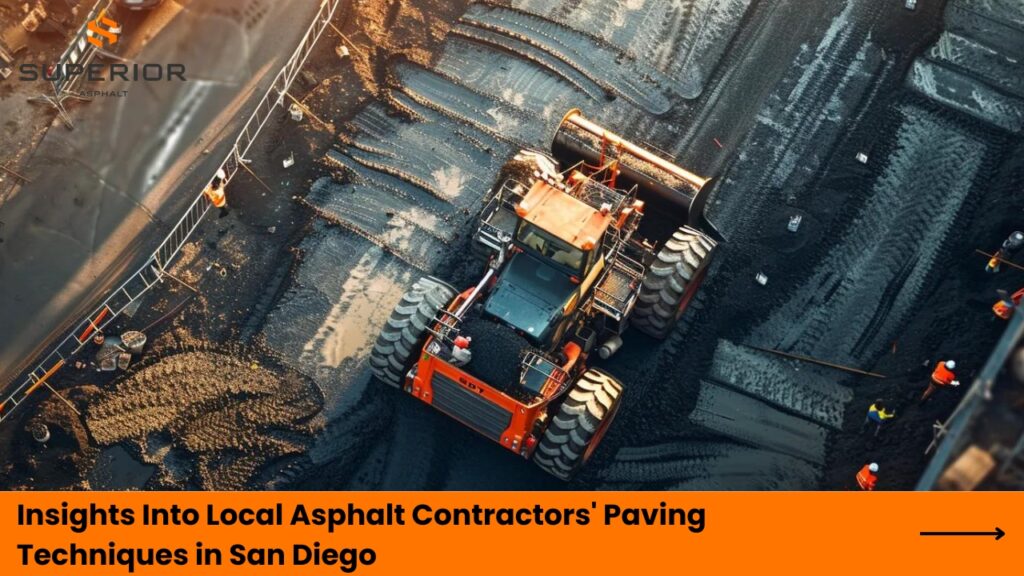
Insights Into Local Asphalt Contractors’ Paving Techniques in San Diego

San Diego’s roads face unique challenges due to heavy traffic and varying weather conditions. Local asphalt contractors use specialized techniques to address these issues. This article explores the paving methods employed by San Diego’s asphalt professionals, focusing on material selection, installation processes, and maintenance strategies. Learn how these contractors ensure durable, long-lasting surfaces for roads, driveways, and parking lots while considering environmental factors and cost-effectiveness. Understanding Paving Techniques Used by Asphalt Contractors in San Diego Asphalt contractors in San Diego employ various paving techniques to ensure durable and smooth surfaces. These methods include hot mix asphalt paving, which is commonly used for commercial asphalt paving projects. Contractors often provide a free quote to potential clients before starting any pavement work. The climate in San Diego influences the choice of paving techniques. Contractors consider factors such as temperature and moisture when selecting materials and methods. This ensures the longevity of the pavement in the local environment. Many San Diego contractors use advanced equipment for precise and efficient paving. These tools allow for even application of asphalt and proper compaction, resulting in high-quality surfaces for both residential and commercial projects. Eco-friendly paving techniques are gaining popularity in San Diego. Some contractors offer sustainable options that reduce environmental impact while maintaining the durability of the pavement. These methods often appeal to environmentally conscious clients seeking commercial asphalt paving solutions. The Process of Asphalt Preparation and Installation San Diego paving companies begin by preparing the site, which involves removing old asphalt or grading the area for new installations. This crucial step ensures a solid foundation for the asphalt parking lot or roadway. Next, contractors apply a base layer of aggregate material, compacting it thoroughly. This layer provides stability and drainage for the asphalt surface, contributing to its longevity and performance. The asphalt mixture is then heated and applied in layers, with each layer compacted to achieve the desired thickness and density. Many public projects require specific asphalt compositions to meet local regulations and durability standards. After installation, contractors often provide clients with asphalt maintenance guidelines. Most paving companies offer a free estimate for future repair or resurfacing needs, ensuring the longevity of the newly installed asphalt surface. Innovative Techniques Employed by Local Asphalt Contractors Local paving companies in San Diego are adopting innovative techniques to enhance asphalt quality. Driveway specialists utilize advanced polymer-modified asphalt mixtures for increased durability and weather resistance. Driveway paving companies implement eco-friendly practices by incorporating recycled materials into their asphalt mixes. This approach reduces environmental impact while maintaining high-quality standards. Paving contractors employ cutting-edge equipment for precise application and compaction. These tools ensure uniform thickness and density, resulting in smoother, longer-lasting surfaces. Local paving companies focus on sustainable drainage solutions in their projects. This includes the use of permeable asphalt and strategic design to manage water runoff effectively. Key innovations in San Diego’s asphalt paving industry include: Polymer-modified asphalt mixtures Recycled material integration Advanced application equipment Permeable asphalt solutions Common Materials Utilized in Asphalt Paving Projects Local asphalt companies in San Diego primarily use hot mix asphalt for paving projects. This material consists of aggregates, binder, and filler, providing durability and flexibility for various applications. Asphalt contractors often incorporate recycled materials into their mixes. This eco-friendly approach reduces waste while maintaining the quality of the pavement. Driveway companies utilize specialized materials for residential projects. These include sealcoats and crack fillers to protect and extend the life of asphalt surfaces. Paving contractors may use polymer-modified asphalt for high-traffic areas. This enhanced material offers increased resistance to rutting and cracking, ensuring longevity in demanding conditions. The Importance of Site Assessment in Paving Asphalt paving companies in San Diego prioritize site assessment before starting any project. This crucial step ensures the success and longevity of the pavement. During site assessment, asphalt paving contractors evaluate soil conditions, drainage patterns, and existing structures. This information guides their choice of materials and techniques for optimal results. Paving services use specialized equipment to measure ground stability and identify potential issues. This thorough approach helps prevent future problems and ensures a durable asphalt surface. Asphalt driveway contractors consider factors such as traffic load and climate during site assessment. This enables them to provide tailored asphalt paving services that meet specific project requirements: Assessment Factor Impact on Paving Soil Conditions Determines base preparation Drainage Patterns Influences slope and grading Traffic Load Affects asphalt thickness Climate Guides material selection Environmental Considerations in Asphalt Paving Contractors asphalt companies in San Diego prioritize environmental considerations. They implement eco-friendly practices to reduce the impact on local ecosystems and comply with environmental regulations. Many asphalt contractors use recycled materials in their paving projects. This approach helps conserve resources and reduce waste, aligning with sustainable construction practices. Paving companies invest in energy-efficient equipment to minimize emissions during construction. This commitment to environmental stewardship extends to all aspects of their operations, from material sourcing to project completion. Asphalt contractors in San Diego collaborate with property owners to develop sustainable paving solutions. These efforts focus on reducing environmental impact while staying within budget constraints: Use of recycled asphalt Energy-efficient equipment Sustainable drainage systems Low-emission paving techniques Comparing Traditional and Modern Asphalt Paving Methods Traditional asphalt paving methods focused on basic road construction, while modern techniques prioritize infrastructure longevity and customer satisfaction. Contractors now use advanced materials and equipment to create durable surfaces for roads, sidewalks, and parking lots. Modern paving practices incorporate innovative technologies for improved maintenance. These include automated crack sealing systems and infrared patching, which extend pavement life and reduce long-term costs for customers. Safety features have evolved significantly in modern paving. Contractors now integrate guard rail installations and high-visibility markings as standard practice, enhancing road safety for all users. Sustainability is a key focus in contemporary paving methods. Local contractors utilize recycled materials and eco-friendly binders, minimizing environmental impact while maintaining high-quality standards: Aspect Traditional Method Modern Method Materials Basic asphalt mix Recycled and polymer-modified Equipment Manual labor-intensive Automated and precision-controlled Maintenance Reactive repairs Proactive preservation Safety Features Limited integration Comprehensive safety systems

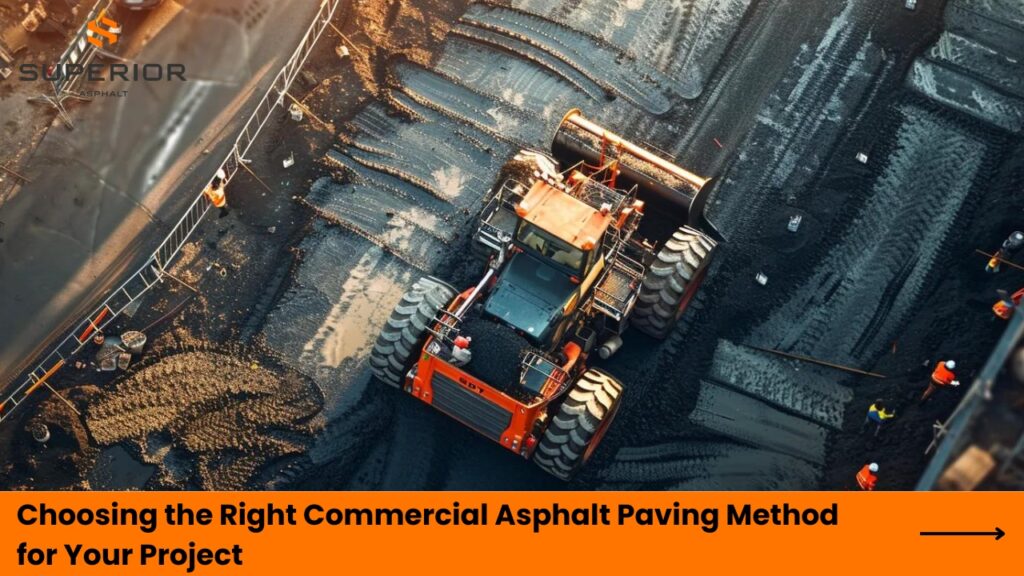
Choosing the Right Commercial Asphalt Paving Method for Your Project
Blogs

Choosing the Right Commercial Asphalt Paving Method for Your Project

Choosing the right method for commercial asphalt paving can significantly impact the longevity and cost-effectiveness of your project. With various techniques available, understanding which one fits your needs is crucial. This article will explore common commercial asphalt paving methods, the importance of analyzing project budgets, and how to evaluate site conditions. By engaging with this content, readers will learn how to make informed decisions, tackle budget concerns, and identify the best approach to achieve effective drainage solutions. This guidance is essential for anyone looking to ensure their paving project meets both quality and financial expectations. Key Takeaways Selecting the right asphalt paving method ensures project success and longevity Understanding traffic loads aids in determining the appropriate materials to use Environmental factors influence both asphalt choice and project costs for durability and efficiency Effective communication with paving contractors leads to tailored solutions and successful outcomes Regular maintenance is crucial for minimizing long-term costs and preserving pavement integrity Understanding the Importance of Selecting the Right Asphalt Paving Method Selecting the right asphalt paving method is crucial for ensuring a successful road project. Assessing project requirements and specifications helps determine the best approach, while evaluating traffic load and usage ensures durability and functionality. Additionally, considering environmental factors can impact both budget and materials chosen for driveways and other surfaces. Each of these aspects plays a vital role in achieving a quality paving outcome. Assessing Project Requirements and Specifications Assessing project requirements and specifications is essential for customers aiming to select the most effective asphalt paving method. Each commercial project differs based on the size and intended use of the lot, which may affect the choice of materials and techniques. Engaging with a reputable paving company ensures that specific needs are clearly communicated to experienced paving contractors, leading to a more tailored approach. Understanding the unique demands of a project enables customers to evaluate the best asphalt services available. For example, a high-traffic commercial lot may require thicker layers and stronger materials to withstand substantial wear over time. By clearly defining these requirements, customers can work collaboratively with asphalt professionals to achieve optimal durability and functionality in their paving projects. Evaluating Traffic Load and Usage Evaluating traffic load and usage is essential when selecting asphalt paving services for commercial projects. Understanding the expected volume and type of vehicles that will traverse the pavement helps determine the necessary thickness and strength of the materials used. For example, a commercial asphalt paving project intended for heavy trucks requires more robust asphalt solutions to withstand stress, ensuring longevity and minimal maintenance costs. Proper evaluation of traffic patterns also influences the choice of paving techniques and materials. Areas with high foot traffic, alongside vehicle access, may necessitate specific asphalt mixtures that provide enhanced traction and durability. By working closely with professionals in paving services, clients can tailor their asphalt solutions to meet these unique demands, ultimately ensuring the pavement remains functional and safe under various conditions. Considering Environmental Factors Environmental factors play a significant role in selecting the right commercial asphalt paving method. An experienced asphalt paving company will advise on the effects of local climate conditions, such as temperature and precipitation, on the choice of materials and techniques. For instance, regions with heavy rainfall may require more durable asphalt that can withstand water damage, ensuring the longevity of the pavement. Additionally, considering the environmental impact of the paving process is essential for many businesses today. Choosing sustainable materials and efficient paving techniques can reduce a project’s carbon footprint while potentially inviting cost savings. Clients searching for “commercial paving contractors near me” should prioritize those who provide a free estimate that includes options for eco-friendly materials and methods, thus aligning with both budget and environmental goals. Factors to Consider Description Local Climate Affects the choice of materials; heavier rainfall requires sturdier asphalt. Environmental Impact Focus on sustainable practices and materials to reduce carbon footprint. Cost Efficiency Eco-friendly options may lead to long-term savings on maintenance. Professional Advice Engage reputable commercial paving companies near me for tailored solutions. Overview of Common Commercial Asphalt Paving Methods When choosing the right method for commercial parking lot paving, understanding the types of asphalt available is essential. Hot mix asphalt provides a durable solution ideal for high-traffic areas, while warm mix asphalt offers benefits like reduced energy consumption. Cold mix asphalt serves well in specific applications, making it suitable for patches and repairs, including sidewalks. Each option presents unique advantages for various construction needs. Hot Mix Asphalt and Its Benefits Hot mix asphalt is a preferred choice for many commercial paving projects due to its robustness and performance in high-traffic situations. This type of asphalt is designed to endure substantial vehicle loads, which is essential for maintaining customer satisfaction across busy parking lots and roadways. With proper installation and periodic maintenance, hot mix asphalt can significantly reduce long-term costs by minimizing repair needs, ensuring a functional surface that effectively directs storm drain flow and reduces water accumulation. Furthermore, hot mix asphalt is known for its excellent adhesion and durability, which enhances the longevity of the pavement. Businesses focusing on quality customer service appreciate that this paving method helps limit disruption, allowing for smoother operations during and after installation. By investing in hot mix asphalt, companies can provide a reliable surface that meets the demands of vehicles while also simplifying maintenance efforts, contributing to an overall positive experience for both operators and customers. Warm Mix Asphalt Explained Warm mix asphalt is a significant choice for commercial paving in New Jersey, offering benefits that make it suitable for various projects. This method utilizes lower temperatures during production, which reduces energy consumption and minimizes emissions, making it a more environmentally friendly option. By choosing warm mix asphalt, pavers can decrease wear and tear on equipment, thereby enhancing the overall efficiency of the paving process and improving the customer experience. This paving solution is especially advantageous for projects that require quick installation and rapid opening to traffic, as it retains temperature for longer periods. Contractors can

Understanding the Impact of Intense Sunlight on Asphalt Pavement
Blogs

Understanding the Impact of Intense Sunlight on Asphalt Pavement

Have intense sunlight been taking a toll on your road surfaces? Superior Asphalt, with over five decades of expertise in asphalt concrete construction, examines how high temperatures impact asphalt pavement. This article explores the effects of sun exposure, long-term implications for road durability, and effective strategies for maintenance. By understanding these factors, property owners and construction professionals can enhance the sustainability and longevity of their roads. Addressing these challenges ensures safer and more reliable road infrastructure for the future. The Science Behind Asphalt Composition The asphalt mixture is composed of key components including aggregates and binder, a liquid substance that holds the materials together. The thermal properties of asphalt determine how it reacts under intense sunlight. Understanding how factors like water content and recycling processes influence material behavior provides valuable information for maintaining durable pavement. Key Components of Asphalt Mixture The asphalt mixture consists primarily of aggregates and a binder, which work together to create a strong and durable pavement. Aggregates, including sand, gravel, and crushed stone, provide the structural framework, while the binder, typically asphalt cement, holds the mix together, ensuring it can withstand heavy transport and varying weather conditions. The precise mix of these components is crucial for preventing issues such as potholes and ensuring effective drainage. A well-designed asphalt mix not only enhances the pavement’s longevity under intense sunlight but also facilitates proper water runoff, reducing the risk of surface cracking and deterioration: Aggregates: Sand, gravel, and crushed stone for structural strength Binder: Asphalt cement for cohesion and flexibility Additives: Materials that improve performance and durability Mix Design: The proportion of each component tailored for specific conditions Thermal Properties of Asphalt The thermal properties of asphalt play a crucial role in its ability to endure intense sunlight and maintain structural integrity. Superior Asphalt utilizes specially formulated mixtures that resist heat-induced softening, ensuring pavement remains stable even in high-temperature environments with heavy traffic. Effective management of asphalt’s thermal behavior requires meticulous attention to various factors, including plant operations and weather conditions. The company’s board of directors partners with trade associations to implement strategies that address: Heat resistance in asphalt formulations Optimal plant temperature controls Mitigation of rain effects during application How Sunlight Influences Material Behavior Intense sunlight can accelerate the aging of asphalt pavement, leading to softening and deformation under heavy truck traffic. Superior Asphalt addresses this by implementing advanced emulsion formulations that enhance the pavement’s resistance to heat-induced damage, ensuring driveways remain stable and durable. To mitigate the effects of prolonged sun exposure, Superior Asphalt adheres to strict maintenance policies that include regular inspections and timely repairs. By using high-quality concrete and asphalt materials, the company ensures that pavements can withstand harsh sunlight while maintaining their structural integrity and performance. Effects of High Temperatures on Asphalt Pavement High temperatures influence asphalt pavement by lowering its viscosity, resulting in softening and distortion. Sun-induced UV radiation causes surface wear, and structural integrity may weaken under extreme heat. Insights from the Federal Highway Administration and ongoing education efforts help highways manage these effects related to fuel-based asphalt binders. Softening and Distortion Factors High temperatures significantly impact the asphalt base course, causing the material to soften and become more susceptible to distortion. Innovations in asphalt plant technology enable precise temperature control during the mixing process, ensuring a more stable and durable pavement that can better withstand intense heat. Excessive heat can lead to uneven surfaces and increased vulnerability to structural weaknesses. Superior Asphalt employs advanced waterproofing techniques to protect the pavement from water infiltration, which can worsen distortion. By integrating these measures, the company enhances the longevity and resilience of asphalt pavements exposed to high temperatures. Surface Wear Due to UV Radiation Exposure to UV radiation significantly weakens the asphalt mixture by degrading the petroleum-based binder, resulting in surface wear and increased vulnerability to environmental stressors. This deterioration compromises the pavement’s integrity, necessitating timely maintenance to prevent further damage: Degradation of petroleum binder Formation of cracks and potholes Increased susceptibility to erosion Compromised soil stability beneath the pavement Superior Asphalt addresses these challenges by incorporating cement additives and ensuring the underlying soil structure is properly stabilized. Additionally, the company maintains meticulous records, including personal data of maintenance schedules, to optimize repair processes and extend the pavement’s lifespan. Changes in Structural Integrity High temperatures can significantly affect the structural integrity of asphalt pavement by softening the bitumen binder, which holds sand and aggregates together. This softening makes the pavement more vulnerable to deformation under heavy tire traffic, compromising the overall infrastructure. Superior Asphalt implements strategies to maintain structural integrity under high temperatures, including: Strategy Description Bitumen Modification Using additives to enhance heat resistance of the binder. Optimal Sand Mix Selecting the right sand proportion for stability. Quality Aggregates Employing high-quality aggregates to strengthen pavement. Superior Asphalt invests in research and development to improve bitumen formulations and optimize sand and aggregate mixtures, ensuring the infrastructure remains robust against high temperatures. Their commitment to quality and expertise in asphalt paving strengthens their position in the market, providing clients with reliable and long-lasting pavement solutions. Long-Term Implications of Sun Exposure on Asphalt The prolonged exposure to intense sunlight can lead to the gradual accumulation of damage in asphalt pavement, presenting significant repair and maintenance challenges. Analyzing case studies of affected pavements highlights the critical need for effective strategies to mitigate sun-related deterioration. Understanding these long-term implications is essential for ensuring pavement durability. Accumulation of Damage Over Time Over time, continuous exposure to intense sunlight gradually deteriorates asphalt pavement, leading to the formation of cracks and surface wear. This persistent degradation compromises the pavement’s structural integrity, making it more susceptible to potholes and other forms of damage. To address the accumulation of damage caused by prolonged sun exposure, Superior Asphalt implements advanced maintenance strategies and utilizes high-quality materials. These proactive measures ensure that pavements remain durable and resilient against the harsh effects of sunlight: Damage Type Impact Cracking Compromises structural integrity and increases maintenance costs Surface Wear Reduces pavement lifespan and affects driving safety Pothole

How Seal Coating Your Driveway Affects Its Lifespan
Blogs

How Seal Coating Your Driveway Affects Its Lifespan

Is your driveway showing signs of wear and tear? Seal coating is a cost-effective solution that can significantly extend your driveway’s lifespan. This article will explore how seal coating protects against water damage, prevents potholes, and preserves the bitumen in your asphalt. We’ll cover the process, benefits, and common misconceptions about seal coating, providing you with practical tips to maintain your driveway’s surface for years to come. Learn how this simple treatment can save you money and keep your property looking its best. Understanding Seal Coating and Its Purpose Seal coating is a crucial process in driveway maintenance, protecting asphalt surfaces from Minnesota’s harsh elements. This protective emulsion shields driveways from ultraviolet rays, oil spills, and water damage. Understanding the materials used, such as coal tar or asphalt-based sealants, is essential for effective application and long-lasting results. Defining Seal Coating and Its Role in Driveway Maintenance Seal coating is a protective liquid applied to asphalt surfaces to extend their lifespan. This process involves applying a thin layer of sealant, typically made from petroleum-based products or coal tar, to shield the asphalt from damaging elements. The coat acts as a barrier, preventing water infiltration, oil damage, and ultraviolet ray deterioration. In driveway maintenance, seal coating plays a crucial role in preserving the integrity of the asphalt surface. Regular application of sealant helps prevent cracks, potholes, and other forms of damage that can lead to costly repairs. The process also enhances the appearance of the driveway, giving it a fresh, black finish. Here are the key benefits of seal coating: Protects against water and chemical damage Slows oxidation caused by sun exposure Improves resistance to oil and gas spills Extends the life of the asphalt surface Enhances the driveway’s appearance Importance of Driveway Protection Against the Elements Protecting driveways against harsh elements is crucial for maintaining their integrity and longevity. The binder in seal coating forms a protective barrier, shielding the asphalt from damaging UV rays, rain, and temperature fluctuations. This protection prevents the road surface from deteriorating rapidly, reducing the need for costly repairs. Seal coating acts as a durable shield against various environmental threats. Applied with a squeegee, the tar-based sealant fills small cracks and voids, preventing water infiltration and subsequent damage from freeze-thaw cycles. Additionally, the dark color of the sealant absorbs heat, helping to melt ice and snow more quickly during winter months, further safeguarding the driveway’s surface. Overview of Materials Used in Seal Coating Seal coating materials for paved surfaces typically consist of either coal tar-based or asphalt-based emulsions. These high-quality sealants are designed to protect and extend the life of pavement, including driveways and parking lots. The choice between coal tar and asphalt-based sealants depends on factors such as climate, traffic volume, and local regulations. Professional paving contractors often use additives in seal coating mixtures to enhance performance. These additives can improve durability, flexibility, and resistance to oil and gas spills. Sand is frequently incorporated into the sealant to provide texture and increase skid resistance, particularly important for high-traffic areas on commercial lots or steep residential driveways. How Seal Coating Prolongs Driveway Lifespan Seal coating effectively extends driveway lifespan by providing comprehensive protection. This asphalt service shields surfaces from moisture damage, UV rays, and temperature extremes. It prevents cracks and deterioration while enhancing aesthetic appeal. Commercial sealcoating companies near you offer line striping and other services to maximize the benefits of this protective treatment. Protection Against Moisture Damage Seal coating provides crucial protection against moisture damage, preserving the integrity of driveways. The sand-infused sealant creates a barrier that repels rain and prevents water from seeping into the asphalt surface. This protective layer ensures that water runs off towards the curb, reducing the risk of erosion and deterioration. The coal tar or asphalt-based sealant adheres tightly to the driveway surface, forming a waterproof seal. This strong adhesion prevents moisture from penetrating the asphalt, which is particularly important in areas with frequent rainfall or high humidity. The sealant’s effectiveness in moisture protection contributes significantly to extending the driveway’s lifespan: Prevents water infiltration Reduces freeze-thaw damage Minimizes surface erosion Protects against sub-base weakening Maintains structural integrity Shielding From UV Rays and Heat Seal coating provides effective protection against harmful UV rays and heat, which can cause significant wear to asphalt driveways. The dark-colored sealant acts as a barrier, absorbing and deflecting sunlight to prevent oxidation and deterioration of the asphalt binder. This protection helps maintain the driveway’s structural integrity and extends its lifespan. Regular seal coating maintenance is essential for preserving both asphalt and concrete driveways. The protective layer created by seal coating reduces the need for frequent repainting and helps prevent surface cracks caused by heat expansion. Professionals often apply sealant using a brush or spray method, ensuring comprehensive coverage and optimal protection against UV damage. Prevention of Cracks and Surface Deterioration Seal coating effectively prevents cracks and surface deterioration in driveways by filling small fissures and creating a protective barrier. This environmentally friendly process involves applying a specialized filler that seals existing cracks and prevents new ones from forming. The sealant’s ability to penetrate and bond with the asphalt surface helps maintain the driveway’s integrity, even under heavy vehicle traffic. Regular seal coating maintenance is crucial for preserving the driveway’s structure and preventing the need for extensive repairs. By protecting against water infiltration and UV damage, seal coating helps maintain the driveway’s reputation for durability. This process is particularly effective for both asphalt and gravel driveways, enhancing their resistance to wear and tear. The benefits of seal coating in preventing surface deterioration include: Sealing minor cracks before they expand Reducing water penetration into the subsurface Minimizing oxidation and UV damage Enhancing resistance to chemical spills Prolonging the overall lifespan of the driveway Effects on Temperature Extremes Seal coating protects driveways from temperature extremes, enhancing their durability in varied climates. The polymer-enhanced sealant creates a flexible barrier that expands and contracts with temperature fluctuations, preventing cracking and surface damage. Homeowners seeking “driveway sealcoating near me” or “seal

Choosing Between Concrete and Asphalt Paving for Your Project
Blogs

Choosing Between Concrete and Asphalt Paving for Your Project

Choosing between concrete and asphalt for your paving project can be challenging. This guide will provide essential information to help you make an informed decision. We’ll explore the key differences in cost, durability, and environmental impact of these materials for roads, driveways, and other construction projects. By understanding the pros and cons of each option, you’ll be better equipped to select the paving solution that best fits your needs and budget. Key Takeaways Superior Asphalt offers expert concrete and asphalt paving services with a focus on quality and customer satisfaction Concrete paving provides durability and longevity, while asphalt offers flexibility and lower initial costs Proper maintenance is crucial for both concrete and asphalt pavements to ensure long-term performance and cost-effectiveness Climate conditions and environmental impact are important factors to consider when choosing between concrete and asphalt paving Professional consultation and thorough site assessment are essential for successful paving project implementation Understanding the Basics of Concrete and Asphalt Paving Understanding the basics of concrete and asphalt paving is crucial for choosing the right material for commercial paving services. This section explores the benefits of concrete paving, advantages of asphalt paving, and key differences between the two materials. By examining these factors, project managers can make informed decisions that enable efficient highway and pavement construction. Superior Asphalt offers free quotes for both options. Discovering the Benefits of Concrete Paving Concrete paving offers numerous benefits for parking lot paving and other commercial projects in Iowa. Its durability and longevity make it an excellent choice for high-traffic areas, withstanding heavy loads and frequent use. Superior Asphalt LLC provides expert concrete paving services that ensure a smooth, long-lasting surface for various applications. One of the key advantages of concrete paving is its resistance to water damage. This makes it particularly suitable for areas prone to flooding or heavy rainfall. The material’s ability to withstand water infiltration helps maintain the integrity of the pavement structure, reducing the need for frequent repairs and maintenance. Here’s a comparison of concrete and asphalt paving properties: Property Concrete Paving Asphalt Paving Lifespan 30-50 years 15-30 years Water Resistance High Moderate Initial Cost Higher Lower Maintenance Low Moderate Exploring the Advantages of Asphalt Paving Asphalt paving offers several advantages for various construction projects. Its flexibility allows for better drainage and reduces the risk of potholes, making it an excellent choice for regions with fluctuating temperatures. Superior Asphalt’s innovative management techniques ensure optimal asphalt installation, providing durability and cost-effectiveness. Compared to concrete, asphalt paving typically has a lower initial cost and faster installation time. This makes it an attractive option for projects with tight budgets or schedules. Superior Asphalt’s expertise in both concrete and asphalt paving enables them to recommend the best solution for each unique project, considering factors such as traffic load, climate, and long-term maintenance requirements. Identifying the Key Differences Between the Two Materials Concrete and asphalt paving materials differ significantly in their composition and properties. Concrete, made from cement, aggregates, and water, offers superior durability and load-bearing capacity, making it ideal for runways and heavy-traffic areas. Asphalt, a mixture of bitumen and aggregates, provides flexibility and smoother rides, often used in road construction and parking lots. Sustainability is another key difference between these materials. Asphalt pavement allows for easier recycling and reuse, contributing to more environmentally friendly construction practices. Concrete, while less recyclable, offers longer lifespan and lower maintenance requirements. Both materials can incorporate gravel as a base layer, but their application methods and equipment, such as pavers, vary depending on the specific project requirements. Comparing Installation Costs and Timeframes Comparing installation costs and timeframes is crucial when choosing between concrete and asphalt paving. This section examines the initial costs of concrete paving, installation expenses for asphalt, and time requirements for each option. Understanding these factors helps project managers make informed decisions, considering factors like insurance, research, and site conditions such as sand or tennis court specifications. Estimating the Initial Cost of Concrete Paving The initial cost of concrete paving varies based on several factors, including project size, site conditions, and design complexity. Superior Asphalt provides accurate price estimates for concrete pavements, considering curb installation and other specific requirements. Their expertise in paving services ensures clients receive a comprehensive budget breakdown for their projects. While concrete paving may have a higher upfront cost compared to asphalt, it often proves more cost-effective in the long run due to its durability and lower maintenance needs. Superior Asphalt’s professionals can help clients assess their budget constraints and project goals to determine if concrete paving is the right choice. Factors affecting the initial cost include: Project size and scope Site preparation requirements Concrete mix design and strength Reinforcement and finishing options Labor and equipment costs Calculating the Installation Expenses for Asphalt Calculating the installation expenses for asphalt involves considering various factors that influence the overall cost. A reputable asphalt paving company will assess the project area, determine the required materials, and estimate labor costs for tasks such as milling and sealcoating. The thickness of the asphalt layer, known as the screed, also affects the final price. Superior Asphalt, an experienced paving company, provides detailed cost breakdowns for asphalt installation projects. Their experts consider factors like site preparation, drainage requirements, and traffic patterns to ensure accurate pricing. By offering transparent estimates, Superior Asphalt helps clients make informed decisions about their paving needs. Considering Time Requirements for Each Option The time requirements for concrete and asphalt paving differ significantly. Concrete typically takes longer to install and cure, often requiring 7-10 days before it can bear traffic. This extended timeline is due to the need for proper curing, which affects the soil beneath and surrounding plant life. Asphalt paving generally offers a quicker installation process. Once laid, asphalt can usually support traffic within 24-48 hours. However, factors such as weather conditions and project complexity can influence the timeline for both materials. Superior Asphalt considers these factors when providing project estimates: Project size and scope Site preparation requirements Weather conditions Curing time Traffic management needs Evaluating

Scroll to Top