All Star Asphalt

Author name: admin

Road roller compacting fresh asphalt on a newly resurfaced road - resurface or replace asphalt in Murfreesboro, TN
Murfreesboro, TN

Resurface or Replace Asphalt in Murfreesboro, TN?

Resurface or Replace Asphalt in Murfreesboro, TN? A worn parking lot often ends up with two very different quotes. One says a fresh overlay will take care of it. The other says the whole thing has to come out. Either one could be right, and the bigger job often costs several times as much. The right answer depends on something you can’t see from the curb: the condition of the base under the asphalt. Surface wear and base failure can look a lot alike, especially after a rough Middle Tennessee winter. Below, we’ll walk through how to read the warning signs, why the soil around Murfreesboro makes this call harder than it is in a lot of places, and what keeps pavement in good shape after the work is done. If you’d rather have someone look at it in person, that’s what our Murfreesboro asphalt team is for. Resurfacing vs. Replacement: What Actually Changes Resurfacing adds a new layer over the pavement you already have. Replacement tears out the asphalt, usually along with the base, and rebuilds everything. In a resurfacing job, crews grind off the worn top layer with asphalt milling and repair damaged spots. A tack coat then helps the new overlay bond to what’s underneath. Done right, the two layers behave like one surface. Replacement is a bigger project. The site gets regraded, a new base is built and compacted, and fresh asphalt goes on top. It costs more and takes longer, but it’s the only real fix once the foundation is gone. When Resurfacing Makes Sense Resurfacing is a smart move when the base is still firm and the problems are shallow. An overlay handles fading, light cracking and a rough, gritty texture well. Look for narrow, scattered cracks rather than ones joined into a web. Water should still drain off after a storm, and nothing should feel soft when a loaded truck rolls across. If that sounds like your lot, asphalt resurfacing can buy you a lot of years for a fraction of what a rebuild costs. One word of caution: a low overlay quote isn’t a bargain if nobody checked the base. Ask the contractor how they know it’s sound. When It’s Time to Start Over Replacement is usually the right call once the base has failed. The clearest signs are alligator cracking across large areas, sections that sink or rut, water that sits after every rain, and potholes that come back no matter how often they’re patched. That last sign tells you a lot. A pothole that returns every spring isn’t a surface problem. It’s water getting into a weak base and working its way back up. Putting an overlay on top of that is like painting over drywall with a leak behind it. It’ll look great for a season or two, and then the old cracks show up right where they were. Why Murfreesboro Pavement Fails Early Clay soil is the biggest reason. Much of the ground around Murfreesboro is clay, which swells when it’s wet and shrinks as it dries. That keeps pushing and pulling on the base under your asphalt. The weather adds to it. Summer heat softens asphalt that wasn’t mixed for it. Winter freeze and thaw cycles pry cracks a little wider each time. Then spring storms push water into every opening they find. Water is what ties it all together. Keep it away from the base and asphalt holds up well here. Let it in and even a fairly new lot can start breaking down. That’s why slope, edges and drainage deserve as much attention as the asphalt itself. What a Proper Assessment Should Cover A good assessment explains why the pavement is failing, not just where. That means checking crack patterns, drainage, base stability and the kind of traffic the surface carries. On commercial lots, delivery trucks and dumpster pads matter as much as daily customer traffic, because heavy loads in one spot wear pavement down faster. Curbs, ramps and lot layout belong in the conversation too. New asphalt covers every line, so plan the parking lot striping and any curb and gutter repair as part of the same job. As for cost, resurfacing almost always comes in lower and usually means less downtime for a business. If part of the property is old, cracked concrete, concrete to asphalt conversion may fit into the same project. Keeping New Asphalt in Shape Most early failures come from cracks and water left alone too long. Seal cracks quickly, sealcoat on a schedule and keep drainage clear, and your pavement has a much better shot at reaching its full lifespan. In practice, that means: Hot rubber crack filling as soon as cracks appear Sealcoating every few years to block sun and oil damage Keeping drains and pavement edges free of debris Patching potholes while they’re small Restriping when the lines fade None of it is glamorous, but it costs far less than replacing a lot ten years early. Got Questions? Frequently Asked Questions ? How long does a resurfaced lot last in Murfreesboro? On a solid base with regular upkeep, a resurfaced lot can last a decade or more. Drainage and soil movement have the biggest say in where yours lands. ? Can you put new asphalt over cracked asphalt? Yes, if the cracks are shallow. Wide, spreading alligator cracks usually mean the base is in trouble, and those cracks will come back through a new layer. ? How long will my lot be closed? An overlay usually keeps cars off for a day or two. Full replacement takes longer, though larger commercial jobs can often be phased so part of the lot stays open. ? When’s the best time to pave around Rutherford County? Late spring through early fall. Asphalt needs warm temperatures to compact properly, and cold winter days make it hard to get a quality result. ? Will resurfacing fix standing water? Sometimes. An overlay can correct minor slope issues, but serious pooling usually calls
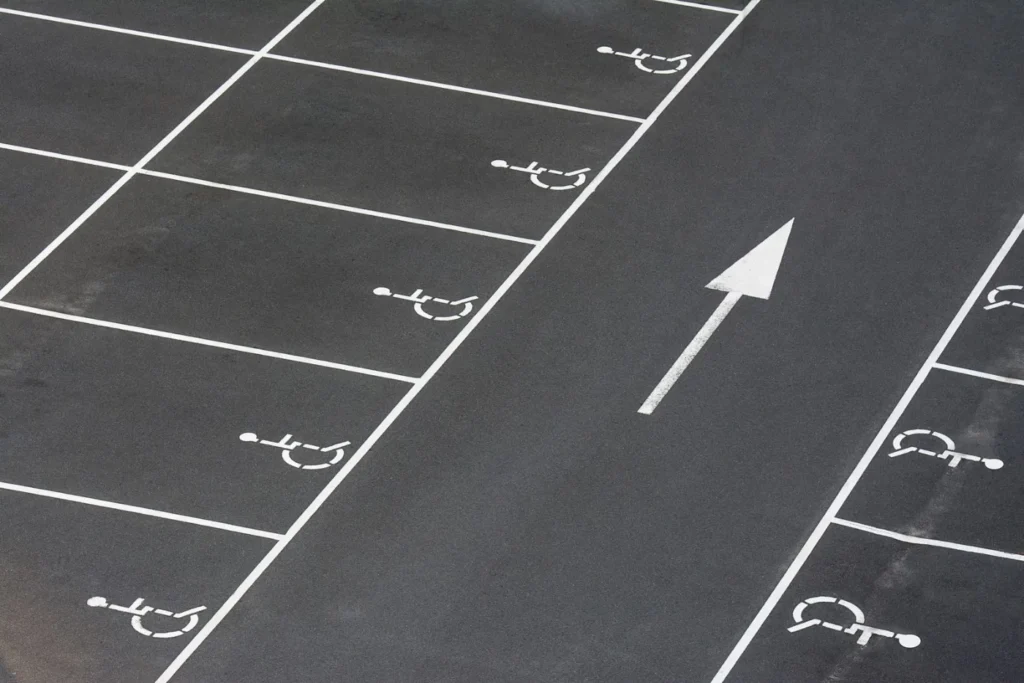
Parking lot with accessible spaces marked by wheelchair symbols and a directional arrow - ADA parking requirements in Murfreesboro, TN
Murfreesboro, TN

ADA Parking Lot Requirements for Murfreesboro Businesses

ADA Parking Lot Requirements for Murfreesboro Businesses Most business owners don’t think about accessible parking until something forces the issue. A customer complains, a lease renewal brings an inspection, or a demand letter shows up pointing to an access aisle that’s too narrow. At that point, a simple striping job has become a compliance problem. ADA parking rules aren’t complicated, but they are specific. Space width, aisle width, slope, signs and the route to your front door all have measurable requirements, and small misses are common on older lots. This guide covers what the federal standards require, how many accessible spaces your lot needs, and the local conditions in Rutherford County that can slowly push a compliant lot out of compliance. When you’re ready to fix or restripe, our handicap parking space marking crew can lay it out to code. Does My Business Parking Lot Have to Be ADA Compliant? If your business is open to the public, yes. Title III of the ADA covers retail stores, restaurants, offices, medical practices and other public accommodations. Any parking you provide for customers or visitors has to include accessible spaces. New lots have to follow the 2010 ADA Standards for Accessible Design. Existing businesses also have an ongoing duty to remove barriers when it’s readily achievable. When a business restripes its parking lot, it must provide accessible parking spaces in accordance with the applicable ADA requirements. Resurfacing, resealing and adding parking spaces also trigger accessibility requirements. Simply refreshing a few existing lines in place may qualify as normal maintenance, but businesses still have an ongoing responsibility to remove accessibility barriers when doing so is readily achievable. How Many Accessible Spaces Does My Lot Need? The number depends on the total spaces in each parking facility. Here’s the federal minimum for most businesses: Total Spaces Accessible Spaces Required Total Spaces Accessible Spaces Required 1 to 25 1 151 to 200 6 26 to 50 2 201 to 300 7 51 to 75 3 301 to 400 8 76 to 100 4 401 to 500 9 101 to 150 5 501 to 1,000 2% of total At least one of every six accessible spaces has to be van accessible. So if your lot only needs one accessible space, that space has to be a van space. Medical offices have a higher bar. Outpatient facilities need 10% of patient and visitor parking to be accessible, and rehab facilities need 20%. ADA Parking Space and Access Aisle Dimensions An accessible car space has to be at least 96 inches wide, with an access aisle at least 60 inches wide next to it. A van space can be 132 inches wide with a 60 inch aisle, or 96 inches wide with a 96 inch aisle. A few details that get missed: Access aisles have to be marked so people don’t park in them. Diagonal hatching is the usual approach. Two accessible spaces can share one aisle, which helps on tight lots. Spaces and aisles can’t slope more than 1:48 in any direction, which is about 2%. Van spaces under a canopy or in a garage need 98 inches of vertical clearance along the route. Signage and Accessible Route Requirements Every accessible space needs a posted sign with the International Symbol of Accessibility, and the bottom of the sign must sit at least 60 inches above the ground. Van spaces need an added “Van Accessible” designation. A painted symbol on the pavement doesn’t replace the sign. The spaces also need to sit on the shortest accessible route to an accessible entrance. That route needs: At least 36 inches of clear width A smooth surface with no steps or lips Ramps that are no steeper than 1:12 If your curb transition doesn’t meet that, handicap ramp installation usually solves it. Tennessee and the City of Murfreesboro can have their own signage and permit rules, so check with the city before ordering signs or starting construction. How Weather and Ground Conditions Affect ADA Compliance Accessible parking spaces must maintain a slope no steeper than 1:48 in any direction. That requirement makes drainage and pavement condition especially important. Across Murfreesboro, soil conditions and drainage vary between properties. Ground movement, poor compaction and water infiltration can gradually affect pavement levels around parking spaces and access aisles. Temperature changes and heavy rainfall can also contribute to pavement cracking, uneven transitions and deteriorating ramp edges. Faded markings create another problem because drivers may no longer recognize access aisles or designated accessible spaces. A lot that met the required measurements when installed may need repairs as the pavement ages. Regular inspections help identify these problems before they interfere with accessibility. Keeping Your Accessible Parking Compliant Walk your accessible spaces once a year, restripe when markings fade, and fix settling or cracking in aisles early. A short annual check costs far less than redoing a section after a complaint. A simple routine: Inspect the route each spring, after the freeze and thaw season Make sure signs are upright, readable and at the right height Restripe faded aisles and symbols with parking lot striping on a regular schedule Fill cracks and patch potholes in aisles before they change the slope Recheck the ADA layout any time you resurface or replace the lot If you’re planning a resurfacing project anyway, that’s the best time to correct the layout. The surface is fresh, the lines are being redone and the extra cost is minimal. Got Questions? Frequently Asked Questions ? Do I need a van space if I only have one accessible space? Yes. At least one in every six accessible spaces has to be van accessible, so a lot with a single accessible space needs it to be van accessible. ? Do ADA parking spaces have to be painted blue? Federal standards don’t require a specific color. Blue is the common choice, though, and some local rules call for it, so check before you paint. ? Can two accessible spaces share one access aisle? Yes. Two spaces

Nashville, TN

Repair, Resurface, or Replace? Nashville Asphalt Guide

Repair, Resurface, or Replace? Nashville Asphalt Guide Most people don’t think about their driveway or parking lot until something goes wrong. A crack shows up after a rough winter. Then another one. And suddenly you’re standing there on a Saturday morning wondering if this is a small fix or a big check. We hear that question all the time, from homeowners in Donelson to property managers running busy lots off Nolensville Pike. The honest answer? It depends on what’s happening underneath, not just what you see on top. Nashville isn’t gentle on pavement. Our clay soil moves, our summers get hot and sticky, and winter can’t seem to make up its mind. So in this guide we’ll walk through when a repair will do, when resurfacing makes more sense, and when it’s really time to start fresh. And if you’d rather skip the reading, our Nashville asphalt contractor team can come out and check it for you. What’s the Difference Between Asphalt Repair, Resurfacing, and Replacement? Repair takes care of a few problem spots. Resurfacing adds a fresh layer over pavement that’s still solid underneath. Replacement means pulling everything up and rebuilding it from the base. Think of it like this. Repair is fixing a leak, resurfacing is new paint on good walls, and replacement is when the walls themselves need to come down. Each one has its place, and the cost (plus the time your lot or driveway is out of use) goes up as you move down that list. When Is Asphalt Repair Enough? If the damage sits in a few spots and the rest of the pavement still feels firm under your feet, a repair is usually all you need. It’s the most affordable option too, which is exactly why catching things early saves so much money. Walk your driveway or lot after a good rain. Are the cracks thin? Just a pothole or two? Is the water running off instead of sitting in puddles? If so, you’re probably fine. That’s where crack sealing and asphalt patching come in. They keep water out of the base. And honestly, keeping water out is most of the battle with asphalt. When Should You Resurface Instead of Repair? Resurfacing makes sense when the whole surface is worn out but the foundation is still in decent shape. You’ll usually notice faded gray asphalt, loose gravel on top, and lots of small cracks spread out everywhere. An asphalt overlay brings back that smooth, dark finish for far less than a full tear out. We see it work really well on older commercial lots around town. The kind that were built right years ago but just haven’t had much care since. One word of caution though. An overlay can’t fix a bad base. If the ground underneath is failing, those old cracks will come right back through the new layer, sometimes within a year. So please make sure whoever you hire checks the base first. What Signs Mean Your Asphalt Needs Full Replacement? Replacement is the right call once the base gives out. The big warning signs are alligator cracking, sunken areas, and pavement that’s pushing 20 years old. Alligator cracking is pretty easy to spot. It’s a tight pattern of connected cracks, almost like reptile skin. Add in dips where water collects, tire ruts, or patches that keep breaking in the same place, and you’re dealing with a problem below the surface. Our rough rule? If a third or more of the pavement needs work, replacing it usually costs less in the long run. For homeowners, driveway replacement gives you decades of peace of mind. For business owners, new parking lot paving is also a good chance to finally fix those drainage or layout headaches. How Does Nashville’s Climate Affect Asphalt Damage? Nashville weather wears asphalt down in three ways: constant freezing and thawing, heavy rain, and clay soil. Bad drainage makes every one of them worse. Our winters aren’t harsh, but the temperature keeps dropping below freezing and climbing back up. Water gets into small cracks, freezes overnight, and pushes them open a little more. Do that all winter long and by March there’s a pothole where a hairline crack used to be. Then there’s the clay. It swells when it rains and shrinks when it dries, so the ground under your pavement never really sits still. Come July, the heat softens the asphalt and delivery trucks leave ruts behind. It’s no surprise busy lots here wear out sooner than owners expect. What’s the Best Time of Year for Asphalt Work in Nashville? Late spring through early fall is the best window for most projects. Asphalt needs temperatures to stay above about 50°F so it can compact properly before it cools. Paving and overlays go best from April into October. Sealcoating needs a few warm, dry days in a row, which isn’t always easy with our spring storms. Crack sealing is ideal in the fall, right before the cold sets in. Potholes can still get a temporary patch any time they become a safety issue. If you manage a commercial property, it really helps to call early in spring. Schedules fill up fast, and most businesses need work done around their hours. How Can You Make New or Repaired Asphalt Last Longer? Sealcoat on schedule, fix cracks quickly, and don’t let water sit. Those three habits do more for your pavement than anything else. Sealcoat every 2 to 3 years. Give new asphalt 6 to 12 months to cure first. Sealcoating guards against sun, water, and oil leaks. Seal cracks every fall. It’s inexpensive and it’s the best way to stop potholes before they start. Keep water moving. Clear the drains and fix low spots before they turn into ponds. Restripe after sealing. Fresh line striping keeps your lot safe, clean, and ADA compliant. Got Questions? Frequently Asked Questions ? How long does an asphalt driveway last in Nashville? Usually 15 to 20 years with regular sealcoating and crack repair.

Nashville, TN

How Long Does New Asphalt Take to Cure in Nashville?

How Long Does New Asphalt Take to Cure in Nashville? Fresh asphalt looks finished the second the roller pulls away. It isn’t, not really. Hot mix sets up fast enough to walk on, but underneath it keeps hardening for months while the oils in the binder slowly work their way out. That gap between looks finished and actually finished is where most of the questions come from. When can tenants park? When can the lot get striped so the doors can open Monday? How long before anybody touches it with sealer? And in this part of Middle Tennessee, the answers shift a little, because a humid July here does things to pavement that a dry climate never would. Worth understanding before you commit to a schedule. What Does It Mean for Asphalt to Cure? Curing is the slow hardening that happens after the pavement cools. It isn’t a chemical set the way concrete is. The surface firms up enough for traffic within a day or so, but full curing usually runs somewhere between six and twelve months. What’s happening in there is simple enough. Oils in the binder evaporate and oxidize over time. The asphalt starts out dark, soft, a little flexible, then stiffens and fades slightly. That early softness is normal. It just means new pavement scuffs and dents in ways a year old surface won’t. When Can You Drive and Park on New Asphalt? Passenger vehicles can usually get on it after 24 to 72 hours, depending on the weather. Heavy trucks, dumpster pickups and equipment should wait longer, and during a hot stretch your contractor may push that out further. For the first few weeks, a handful of habits matter more than people expect: Don’t crank the steering wheel while you’re stopped. Power steering scuffs soft asphalt fast. Rotate where people park, especially in the spots that fill every single morning. Keep concentrated weight off it. Kickstands, trailer jacks, ladder feet. Set them on a board. Stay off the outside edges. That’s the weakest part of a new lot. How Soon Can a New Parking Lot Be Striped? A new lot can generally be striped within a few days of paving, which is how most businesses manage to open on time. Commercial properties rarely have a choice anyway. Fire lanes, accessible spaces and traffic flow have to be marked before the public uses the lot. The tradeoff is bonding. Paint laid on fresh asphalt doesn’t always hold the way it will six months later. Plenty of owners treat that first layout as a working set of lines and plan a full parking lot restriping after the first sealcoat. Budget for that second pass up front and it stops being a surprise. A crew handling paving and line marking in Nashville can tell you what paint makes sense for your surface and when. When Should New Asphalt Be Sealcoated? Sealcoating new asphalt usually waits at least 90 days, and a lot of contractors would rather see six months to a year. The surface needs time to give up its oils before anything goes over it. Seal it too early and you can trap those oils underneath, which leaves the pavement soft and the sealer likely to peel. Wait too long, though, and sun and water start oxidizing the surface, which is the exact thing sealcoating an asphalt lot exists to slow down. So the right window depends on the mix, the season it was laid and how much traffic it takes. Better to have someone inspect it than to go strictly by the calendar. How Nashville’s Climate and Soil Affect the Timeline Heat and humidity here tend to slow early hardening, while the clay underneath shapes how the lot performs years later. Two separate problems, both worth planning around. Summer heat. Pavement runs far hotter than the air on a July afternoon, so fresh asphalt stays soft longer. Summer jobs need more patience before heavy use. Storms and humidity. Sealcoating and striping need dry pavement, a dry forecast and mild temperatures, generally above 50°F. Spring and summer storms move dates constantly. Late season paving. Anything laid in late fall hardens slowly through winter, which usually pushes the first sealcoat into the next warm season. Clay soil. Middle Tennessee clay swells wet and shrinks dry. No waiting period fixes a weak base. Drainage and base prep matter more than cure time ever will. How to Protect New Asphalt Through Its First Year Year one is mostly about preventing damage while the surface firms up, and catching the small stuff before it turns into the expensive stuff. Clean up gas, oil and antifreeze quickly. Petroleum softens asphalt. Keep catch basins and drainage paths clear so water isn’t sitting on the lot. Watch for hairline cracks, particularly along edges and around drains. Get the first sealcoat scheduled once the surface is ready, then build a maintenance rhythm from there. Small cracks are cheap. Patching is not. Hot rubber crack filling before water reaches the base is one of the easiest ways to keep a new lot out of asphalt patch repair territory. A Simple First Year Timeline for a New Commercial Lot Most new commercial lots follow roughly the same order: traffic within days, striping shortly after, sealcoating inside the first year. First year timeline for a new commercial asphalt lot Timeframe What usually happens First 24 to 72 hours Keep traffic off, then let passenger vehicles on First several days Initial striping for fire lanes, accessible spaces, layout First 1 to 2 weeks Heavier trucks and deliveries, carefully 90 days to 12 months First sealcoat, once the surface is actually ready After sealcoating Full restripe for cleaner lines that last Timing moves with the mix, the weather and how hard the lot gets used. Got Questions? Frequently Asked Questions ? Can new asphalt be sealcoated the same year it’s paved? Sometimes, yes. A lot paved in spring might be ready by fall, while late season paving usually waits until

Blogs, Lebanon, TN

When Does Commercial Asphalt Need Replacing In Lebanon, TN

When Does Commercial Asphalt Need Replacing In Lebanon, TN When Does Commercial Asphalt Need Replacing? Out of everything Wilson County business owners ask us, this one comes up the most. Once a new lot goes down near the Fairgrounds or along Highway 109, the very next thought is how many years before it needs work again. That’s a smart way to think about it. A parking lot is a serious line item, and the answer depends a lot on where you are and how the surface gets treated. We’ve poured and maintained commercial surfaces around Lebanon for three decades, so we’ve watched lots age in real time across this exact climate and soil. Below is what actually drives asphalt lifespan here, what cuts it short, and how to stretch every year out of your investment before you ever need to call about commercial asphalt paving in Lebanon. How Long Does Commercial Asphalt Last in Lebanon, TN? A properly installed commercial asphalt lot in Lebanon typically lasts 15 to 20 years. That range assumes a solid base, correct drainage, and routine upkeep along the way. Skip the maintenance and that number drops fast. We’ve seen lots fail in under five years when the base was rushed or water was never managed. The asphalt surface itself is only as good as what sits underneath it. What Shortens the Life of a Commercial Parking Lot? The biggest killers are water, weight, and neglect. Standing water works into small cracks, heavy trucks flex the surface, and untreated damage spreads quietly until it’s expensive. Around here, logistics traffic off Highway 109 is brutal on pavement. Constant loaded axles compress the base and open up rutting. If the original install didn’t account for that load, the clock starts ticking early. Poor edge support is another one. When a lot’s perimeter isn’t backed by proper curbing, the edges crumble first and pull damage inward. How Tennessee Weather Affects Your Asphalt Middle Tennessee’s freezing and thawing swings are one of the hardest things on local asphalt. Water seeps into hairline cracks, freezes, expands, then melts, prying the crack wider every cycle. Our summers add the second punch. Heat softens asphalt, and combined with sun exposure it dries out the binder that holds everything together. That’s how a smooth lot turns gray, brittle, and crack prone. Soil matters too. The clay common near Cedar Creek shifts with moisture, and that movement transfers straight up into the pavement. Lots built without that in mind tend to develop the same drainage and settling issues year after year. Warning Signs Your Lot Is Wearing Out The earliest signs are surface fading, small cracks, and water pooling after rain. Catch those and you usually have a maintenance problem, not a replacement problem. Watch for alligator cracking, where the surface looks like scaled skin. That pattern means the base below is failing, not just the top layer. Potholes, sunken spots, and crumbling edges fall in the same category. When you start seeing those deeper issues, it’s worth a professional look before small repairs stop being enough. How to Make Commercial Asphalt Last Longer The single best move is staying ahead of water and filling cracks early. Sealing out moisture before it reaches the base is what separates a 20 year lot from a 7 year one. A simple rhythm works well here: Seal cracks as soon as they appear, not after they spread Keep drainage clear so water never sits on the surface Schedule parking lot maintenance on a regular cadence Address heavy traffic wear zones before they rut None of this is glamorous, but it’s cheaper than repaving and it protects the surface you already paid for. Does Sealcoating Really Extend Asphalt Life? Yes. A quality sealcoat acts like sunscreen and a raincoat for your pavement, blocking UV damage and water intrusion at the same time. Most Lebanon lots benefit from sealcoating every two to three years, depending on traffic. It restores that dark finish, slows oxidation, and adds years before resurfacing ever enters the conversation. Paired with fresh striping, it also keeps the lot looking sharp for customers. Repair or Repave: Which One Makes Sense? If damage is on the surface, repair. If the base has failed, repave. That’s the simplest way to think about it. Localized cracking, isolated potholes, and worn striping are repair territory. Widespread alligator cracking, deep settling, or recurring failures in the same spots usually mean the foundation is done, and patching just delays the inevitable. A quick on site assessment settles it either way. Frequently Asked Questions How often should commercial asphalt be sealcoated in Lebanon?  Most commercial lots in Lebanon should be sealcoated every two to three years. Heavy traffic properties may need it sooner to stay protected. Can a cracked parking lot be saved without repaving?  Often, yes. Crack filling and sealcoating can extend a surface for years if the base is still solid and damage is caught early. Why does my new asphalt already have cracks?  Early cracking usually points to a rushed base, poor drainage, or skipped compaction. Quality installation in Wilson County should not crack within months. Does weather in Tennessee really damage asphalt that much?  It does. Freezing and thawing swings plus summer heat break down asphalt faster here than in milder climates, especially without regular sealing. What’s the best time of year to repave in Middle Tennessee?  Late spring through early fall is ideal. Warmer, drier conditions help asphalt cure properly and bond well for a longer lasting surface. Keep Your Lebanon Lot Out of Early Retirement A commercial lot should give you 15 to 20 strong years, and most of that comes down to how it’s built and maintained. If you’re not sure where yours stands, our team can take a look and give you a straight answer. Reach out through our commercial asphalt paving page or call us when you’re ready to talk options. Popular Posts 18 Jun 2026 Blogs Asphalt Driveway Lifespan in Lebanon, TN: What

Blogs, Lebanon, TN

Asphalt Driveway Lifespan in Lebanon, TN: What to Expect

Asphalt Driveway Lifespan in Lebanon, TN: What to Expect How Long Does Asphalt Last in Lebanon, TN? Take a drive through the neighborhoods off Hillcrest Drive or head out toward Sparta Pike and the contrast jumps right out at you. Some driveways still look great after fifteen years. Others are falling apart at the edges before they even hit year five. That’s not random. It comes down to how the driveway was built and whether it was designed for Lebanon’s clay soil, summer heat, and winter freeze-thaw cycles. After three decades paving across Wilson County, we’ve seen what helps a driveway last and what causes it to fail early.This guide lays out what you can realistically expect, what shortens that timeline, and how to protect what you spend. If you already know it’s time, our Lebanon paving contractor team can come walk the property and give it to you straight. How Long Should an Asphalt Driveway Last Here? A well built asphalt driveway in Lebanon should give you 15 to 20 years, and longer if you stay on top of it. Cut corners on the install and you might be looking at a redo in 5 to 8. Here’s what most people miss: the lifespan is decided before a drop of asphalt goes down. It’s all about what’s underneath. A solid gravel base and drainage that actually moves water away matter more than the blacktop on top. Get that foundation wrong and the best asphalt in the world won’t save it. Our weather is kinder than what they deal with up north, sure. But that Tennessee clay and summer humidity still put every driveway to the test. Build it for our conditions and it’ll earn its keep for two decades easy. Why Do Asphalt Driveways Crack in Middle Tennessee? Cracks here usually come down to water, shifting soil, and maintenance that got skipped, not the asphalt just wearing out. And water tops that list every time. It’s a slow problem that sneaks up on you. A tiny crack lets water seep in, the temperature drops, the water expands, and suddenly that hairline is a real gap. Do that over a few Tennessee cold snaps and a little line turns into something structural. Our clay makes it worse too, swelling when it’s wet and shrinking when it dries, tugging at the surface from below. Staying ahead of it is the whole point of regular crack sealing. How Lebanon’s Climate and Soil Affect Your Driveway Between humid summers, winters that freeze and thaw, and clay soil that won’t sit still, Lebanon throws about everything it can at a driveway. And each one does its damage in a different way. Summer’s the slow burn. Heat softens the asphalt and speeds up oxidation, which is what fades that fresh black surface into a dry, brittle gray. Winter flips the script. Water sneaks into the smallest cracks, freezes, and pries them wider every time the temperature swings. Then you’ve got the clay, which might be the sneakiest of all. Plenty of properties out near Cedars of Lebanon State Park sit on soil that swells and shrinks with the moisture. If the grading and drainage weren’t done right from the start, all that movement works its way up and shows up as cracks on top. That’s exactly why a crew that knows Lebanon dirt beats a cheap quote from some out of town outfit. What Are the Warning Signs of a Failing Driveway? The first things you’ll notice are fading color, surface cracks, and small potholes settling into low spots. Catch them early and the fix stays cheap. Keep an eye out for: Cracks wider than a quarter inch Water that pools and sits after a rain Edges that are crumbling or breaking off A surface that looks gray, dry, and brittle Potholes or spots that feel soft when you walk them A handful of surface cracks usually just needs some asphalt repair or a resurface. But if the cracking is spreading into that alligator pattern and the base is going, you’re probably looking at replacement. How Do You Make an Asphalt Driveway Last Longer? Two habits do more than anything else: sealcoat every two to three years, and seal cracks the moment they show up. Both cost next to nothing compared to repaving. Sealcoating puts back that protective top layer that keeps water, sun, and oil from eating into the surface. Skip it and the asphalt dries out and ages fast. A simple Lebanon routine looks like this: Seal new cracks before winter sets in Sealcoat every 2 to 3 years Keep standing water and debris off it Clean up oil stains quick Patch small potholes before they grow Homeowners who actually stick to this push their driveways well past twenty years. It’s not much work, but it pays off big. When Is the Best Time to Pave in Lebanon? Late spring through early fall is the sweet spot, when daytime temps stay above 60 degrees pretty reliably. Warm and dry lets the asphalt cure and pack down the way it should. Paving when it’s cold risks weak compaction and a driveway that doesn’t last. Our long warm season gives Lebanon folks a generous window, but the good slots book up fast. If you’re planning a new install or a full driveway replacement, getting on the schedule early in the season gives it the best possible start. Frequently Asked Questions How long does asphalt last in Tennessee? Most driveways here run 15 to 20 years when they’re built right. Stay on top of sealcoating and crack repair and you’ll squeeze out even more. How soon can I drive on a new asphalt driveway? Give it 24 to 72 hours before driving on it. For heavy vehicles or sharp turns, wait closer to 30 days so it fully sets. Is sealcoating really worth the money in Lebanon? It is. A coat every two or three years fights off water, sun, and heat damage, and it

Planning a Commercial Paving Project in San Diego
Blogs

Planning a Commercial Paving Project in San Diego

San Diego, with its vibrant economy and bustling commercial properties, demands high-quality infrastructure to support businesses, retail, and real estate. A well-executed commercial paving project enhances accessibility, safety, and property value while ensuring regulatory compliance and efficient traffic flow. Whether you’re a property manager, general contractor, or business owner in Southern California, planning a paving project requires careful consideration of asphalt, concrete, drainage, and maintenance practices. This guide explores every aspect of commercial paving, from selecting paving contractors to managing budgets and ensuring long-term pavement durability, tailored specifically for San Diego’s unique needs. Why Commercial Paving Matters in San Diego San Diego’s coastal climate, characterized by mild winters and occasional heavy rain, impacts infrastructure like parking lots, driveways, and sidewalks. Poorly maintained pavement leads to potholes, water damage, and accessibility issues, affecting customers, employees, and vehicles. A professional paving contractor ensures the highest level of craftsmanship, using advanced technology and equipment to create durable surfaces. Investing in asphalt paving or sealcoating not only boosts curb appeal but also protects your commercial property from wear, stormwater, and flood damage. Partnering with reputable paving companies, such as Rose Paving or American Asphalt Company, guarantees quality and longevity. Key Considerations for Your Paving Project 1. Choosing the Right Paving Contractor Selecting a reliable asphalt paving contractor is critical. Look for local asphalt companies with a strong reputation, verified by the Better Business Bureau or customer reviews. Paving contractors in your area, like DMI Paving & Sealcoating, should offer free estimates, transparent pricing, and expertise in commercial paving. Ensure the contractor holds a business license, liability insurance, and experience with San Diego’s zoning and regulatory compliance requirements. A limited liability company or sole proprietorship with a proven track record minimizes risks and ensures professional communication throughout the project. 2. Understanding Materials: Asphalt vs. Concrete Asphalt and concrete are the primary materials for commercial paving. Asphalt, favored for its flexibility and cost-effectiveness, is ideal for parking lot paving and driveways. It requires regular asphalt maintenance, such as sealcoating, to prevent oil damage and wear. Concrete, while more expensive, offers durability for high-traffic areas like sidewalks and curbs. Consult with paving services to determine the best material based on your property’s needs, budget, and traffic volume. Suppliers like those partnered with asphalt companies in your area can provide high-quality materials tailored to San Diego’s soil and climate. 3. Budgeting and Cost Management A commercial paving project is a significant investment. Request free quotes from multiple paving contractors to compare prices and services. Factor in costs for subbase preparation, drainage systems, and stormwater management to prevent water damage. Additional expenses may include heavy equipment, labor, and permits for zoning compliance. Accounting software can help track overhead and payments, ensuring the project stays within budget. Transparent communication with your contractor about costs, including potential downtime, ensures no surprises. For retail or warehouse properties, minimizing disruption to customers and employment is key. 4. Drainage and Stormwater Management San Diego’s occasional heavy rains make drainage a priority. Poorly designed storm drains or sewers can lead to flooding, pavement damage, and costly water damage restoration. Work with an engineer to design effective drainage systems, including curbs and storm drains, to direct water away from the property. Asphalt sealcoating and regular maintenance prevent leaks and extend pavement life. Paving companies with expertise in stormwater management ensure compliance with local regulations, protecting your investment and maintaining pedestrian and vehicle safety. 5. Regulatory Compliance and Accessibility San Diego has strict regulations for commercial facilities, including accessibility standards for sidewalks and parking lots. Ensure your paving contractor understands zoning laws, safety requirements, and ADA compliance. A licensed contractor will coordinate inspections and obtain necessary permits. Non-compliance can lead to fines or project delays, impacting your business operations. Partner with paving services familiar with La Jolla, downtown San Diego, or other zip codes to navigate local rules efficiently. Regulatory compliance also includes environmental considerations, such as managing oil runoff and snow (in rare cases) to maintain visibility and safety. 6. Maintenance and Long-Term Care Asphalt maintenance is crucial for longevity. Regular sealcoating, performed by companies that seal driveways, protects against UV rays, oil, and water damage. Schedule routine inspections to identify potholes, cracks, or drainage issues early. Commercial cleaning services, including carpet cleaning and general upkeep, complement pavement care by maintaining the property’s overall appearance. A maintenance contract with a paving contractor ensures consistent care, reducing downtime and extending the life of your pavement. For high-traffic areas, consider asphalt repair companies for fast, efficient fixes. Crafting a Customized Paving Plan – Designing a Tailored Approach for Business Asphalt A customized paving plan integrates design details, material selection, and step-by-step execution strategies that directly address the established objectives. Superior Asphalt’s custom plans combine cutting-edge technology with proven practices to optimize efficiency and long-term performance. Field studies in commercial construction have shown that tailored project plans reduce maintenance costs by 25% over five years (Construction Innovation Report, 2021). The plan should encompass material investments such as premium sealcoats, sub-base compositions, and appropriate asphalt mixes to mitigate wear and ensure durability under heavy traffic. Moreover, the plan should involve clear communication protocols with contractors and incorporate strategic scheduling to reduce downtime during installation. Incorporating detailed elements like equipment scheduling, precise measurements, and future maintenance planning, this tailored plan acts as a roadmap that mitigates risk and maximizes return on investment. Integrating Superior Asphalt’s vast experience and superior quality standards ensures that each project becomes a benchmark in commercial paving excellence. Assessing Market Dynamics – Evaluating Trends and Competition in Commercial Paving Assessing market dynamics involves analyzing local competition, client demands, and emerging trends in the paving sector. Market research conducted in 2023 indicates that efficient asphalt maintenance companies increase customer retention by 40% by adapting to advanced technologies and regulatory shifts. Superior Asphalt leverages its 50+ years of industry presence to monitor changes in local regulations, technological advancements, and competitor strategies. Key components include benchmarking prices, determining material availability, and ensuring that services align with client expectations for durability and aesthetic quality. Critical regional

Why Speed Bumps Are a Smart Choice for San Diego Communities
Blogs

Why Speed Bumps Are a Smart Choice for San Diego Communities

San Diego, a vibrant city in Southern California, is known for its stunning beaches, bustling downtown, and diverse communities like La Jolla and Balboa Park. With its mix of urban and suburban areas, San Diego faces unique challenges when it comes to traffic safety, pedestrian protection, and community well-being. One effective solution that has gained traction in recent years is the installation of . These traffic calming measures, often made of asphalt concrete or plastic speed humps, are more than just a road surface obstacle—they’re a strategic tool for enhancing safety and improving the quality of life in San Diego neighborhoods. In this blog, we’ll explore why speed bumps are a smart choice for San Diego communities, diving into their benefits, implementation, and real-world impact. The Need for Traffic Calming in San Diego San Diego’s streets are a melting pot of activity. From the Pacific Ocean coastline of La Jolla Shores to the historic charm of Old Town San Diego State Historic Park, the city sees a variety of traffic patterns. Areas like Downtown La Jolla and Downtown San Diego are busy with pedestrians, cyclists, and motor vehicles, while suburban neighborhoods like Torrey Pines State Natural Reserve and Sorrento Valley offer more residential areas with families and children. However, with this diversity comes a challenge: speeding. According to the Federal Highway Administration, speeding is a leading cause of accidents in urban areas across the United States. In San Diego, neighborhoods like North Park and South Bay have reported concerns about reckless driving on streets like El Cajon Boulevard and Coronado Downtown. This is where traffic calming measures, such as speed bumps, come into play. Speed bumps are designed to reduce the speed limit in specific zones, ensuring that drivers slow down and pay attention to their surroundings. By introducing temporary speed humps or permanent speed bumps, San Diego can address issues like speed bump speed and speed bump cost while prioritizing safety. Speed Bumps as a Traffic Calming Measure Speed bumps, also known as speed humps or speed breakers, are physical structures placed on the road surface to slow down traffic. Unlike speed humps for sale, which are often temporary and made of plastic, traditional speed bumps are typically constructed from asphalt concrete and integrated into the road design. They work by creating a vertical obstacle that forces drivers to reduce their speed to avoid discomfort or damage to their vehicle. In San Diego, speed bumps are particularly effective in areas with high pedestrian traffic, such as near Balboa Park or the , where tourists and locals alike frequent attractions like the La Jolla Cove and Mission Bay. The beauty of speed bumps lies in their simplicity. They don’t require complex infrastructure or constant maintenance, yet they deliver significant results. For instance, a study by the National Park Service found that speed bumps can reduce vehicle speeds by up to 40% in residential areas. In San Diego, this means safer streets for children playing in neighborhoods like Clairemont or families walking in Del Mar Heights.Enhancing Pedestrian Safety with Speed BumpsEnhancing Pedestrian Safety with Speed Bumps 2. How Do Speed Bumps Impact Local Traffic Flow in San Diego? Speed bumps directly affect local traffic flow by reducing vehicle speeds and modifying driver behavior at intersections and residential streets. They create a controlled environment that forces vehicles to decelerate before proceeding, leading to a more predictable traffic pattern. This deceleration is essential in areas with mixed-use traffic, such as near art galleries in La Jolla or busy downtown corridors. While some drivers may experience brief delays, these are offset by the overall reduction in crashes and the smoother distribution of vehicles. Traffic studies in San Diego have demonstrated that appropriate placement of speed bumps helps manage road capacities and contributes positively to a safer driving ecosystem. It is noteworthy that while speed bumps reduce peak speeds, they must be implemented with careful attention to spacing along corridors to avoid unnecessary traffic congestion. With decades of expertise, Choose Superior Asphalt ensures that speed bumps are designed and installed using the latest asphalt paving technology, maintaining optimal road surface quality and durability. Enhancing Pedestrian Safety with Speed Bumps One of the most compelling reasons to install speed bumps in San Diego communities is their impact on pedestrian safety. The city is home to a large pedestrian population, with areas like Gaslamp Quarter and Pacific Beach seeing heavy foot traffic. However, pedestrian crossings in these areas can be dangerous, especially when drivers ignore speed limits or fail to yield at crosswalks. Speed bumps act as a physical reminder for drivers to slow down, reducing the risk of accidents at pedestrian crossings. In neighborhoods like La Jolla Village and Chula Vista, where community members often walk to local shops or parks, speed bumps can make a significant difference. They also benefit vulnerable groups, such as the elderly, children, and members of the LGBTQ community, who may feel unsafe crossing busy streets. For example, in areas like Hillcrest, a hub for the LGBTQ community, speed bumps can ensure that pedestrians feel secure while walking to events or local businesses. Moreover, speed bumps complement other pedestrian-friendly infrastructure, such as sidewalks, bollards, and curb extensions. In San Diego, where urban planning often incorporates elements of sustainability and walkability, speed bumps align perfectly with the city’s goals. They encourage a slower, more mindful driving experience, which is essential in areas with high pedestrian activity, like near the San Diego Zoo in Balboa Park or the La Jolla Children’s Pool Speed Bumps and Community Well-Being Beyond safety, speed bumps contribute to the overall well-being of San Diego communities. They create a sense of calm in residential areas by reducing noise pollution from speeding cars and minimizing the risk of accidents. In neighborhoods like Ocean Beach and Point Loma, where residents value a peaceful environment, speed bumps can enhance the quality of life by making streets quieter and safer. Speed bumps also foster a sense of community. In areas like Little Italy or North Park,

The Benefits of Wheel Stops for San Diego Parking Lots
Blogs

The Benefits of Wheel Stops for San Diego Parking Lots

Parking safety is a top concern for San Diego lot owners. Wheel stops offer a simple yet effective solution to prevent accidents and protect property. This article explores how wheel stops improve safety, define spaces, and meet local regulations. You’ll learn about suitable materials for San Diego’s climate and tips for implementing wheel stops in your parking facility. By the end, you’ll understand why wheel stops are a smart investment for your San Diego parking lot. Key Takeaways Improve Parking Safety With Strategic Wheel Stop Placement Strategic wheel stop placement enhances parking lot safety in San Diego. These plastic or steel barriers prevent vehicles from overhanging sidewalks, protect pedestrians, reduce low-speed collisions, safeguard building facades, and secure landscaping features. By limiting vehicle movement at low speeds, wheel stops create a safer environment for both drivers and pedestrians, while preserving property integrity. Prevent Vehicles From Overhanging Walkways Strategically placed truck wheel stops effectively prevent vehicles from overhanging walkways, ensuring pedestrian safety and accessibility. These parking lot bumper stops create a clear boundary between parking spaces and pedestrian areas, reducing the risk of accidents and traffic congestion. Rubber car stops, in particular, offer a durable and flexible solution that withstands various weather conditions while providing a visible barrier for drivers: Benefit Description Pedestrian Safety Prevents vehicle overhang onto walkways Accessibility Maintains clear paths for wheelchair users Traffic Management Reduces congestion by proper vehicle alignment Property Protection Safeguards buildings and landscaping features Protect Pedestrians From Parking Lot Accidents Rubber parking lot bumpers and parking blocks significantly reduce pedestrian accidents in truck parking areas. These devices enable drivers to gauge their vehicle’s position accurately, preventing unintended encroachment into pedestrian zones. By creating a clear boundary between parking spaces and walkways, parking bumpers enhance safety for both drivers and pedestrians, especially in high-traffic commercial areas. Reduce Low-Speed Collisions Between Cars Wheel stops effectively reduce low-speed collisions in parking lots by providing clear visual cues for drivers. Made from durable polyethylene, these barriers offer excellent visibility and longevity at a competitive price. Their strategic placement helps guide vehicles into proper positions, preventing accidental contact between cars and enhancing safety for both passenger vehicles and trailers. By investing in quality wheel stops, parking lot owners can significantly decrease the risk of minor accidents and potential credit card claims for vehicle damage. Safeguard Building Facades and Walls Parking stops play a crucial role in safeguarding building facades and walls in San Diego garages. Made from recycled rubber, these durable barriers prevent vehicles from making contact with structures, preserving their aesthetic appeal and structural integrity. When installed with strong adhesives, parking stops create a reliable buffer zone, reducing the risk of costly repairs and potential credit claims due to vehicle-related damage. Secure Landscaping Features From Damage Wheel stops effectively secure landscaping features from damage in San Diego parking lots. These natural rubber barriers prevent vehicles from encroaching on green spaces, preserving plants and maintaining the aesthetic appeal of the area. By guiding traffic flow and protecting personal information displays, wheel stops create a safer environment for both electric vehicles and traditional cars, ensuring a well-organized parking experience: Feature Benefit Natural Rubber Construction Durability and weather resistance Strategic Placement Protects landscaping and improves traffic flow Visibility Enhances safety for all vehicle types Customizable Options Accommodates specific parking lot needs Define Parking Spaces Clearly Using Wheel Stops Wheel stops play a crucial role in defining parking spaces clearly in San Diego lots. These concrete barriers help maintain orderly rows, guide drivers into designated spots, maximize usable stalls, prevent double parking, and support efficient traffic flow. From motorcycles to larger vehicles, wheel stops ensure safety and organization, benefiting both drivers and lot managers. Their strategic placement enhances the overall functionality of parking areas. Maintain Orderly Rows in San Diego Parking Areas Wheel stops play a crucial role in maintaining orderly rows in San Diego parking areas. These parking lot concrete stops, available in various heights and colors, provide clear visual cues for drivers to align their vehicles properly. By establishing consistent spacing and alignment, wheel stops enhance pedestrian safety and facilitate efficient police patrols. The strategic placement of these barriers ensures that parking spaces are clearly defined, reducing confusion and maximizing the use of available space: Guide Drivers Into Designated Spots Correctly Concrete parking stops effectively guide drivers into designated spots in San Diego parking lots. These durable barriers provide clear visual and physical cues, helping drivers position their vehicles correctly without the risk of corrosion. By comparing different types of wheel stops, lot managers can select the most suitable option for their needs, ensuring proper vehicle placement and maximizing space utilization. Some concrete parking stops even come packaged on pallets for easy installation, streamlining the process of improving parking lot organization and safety. Maximize the Number of Usable Parking Stalls Wheel stops help maximize the number of usable parking stalls in San Diego lots. By clearly defining parking spaces, these barriers prevent vehicles from encroaching on adjacent spots, reducing the risk of accidents at intersections and driveways. Proper placement of wheel stops also ensures compliance with handicap parking signs, improving customer service for all patrons. This efficient use of space allows lot owners to optimize their parking capacity while maintaining safety standards: Benefit Impact Space Optimization Increased parking capacity Accident Prevention Reduced vehicle collisions Accessibility Compliance Improved handicap parking Customer Satisfaction Enhanced parking experience Prevent Double Parking and Improper Angling Wheel stops effectively prevent double parking and improper angling in San Diego parking lots. These recycled rubber bumpers provide clear boundaries for each space, guiding drivers to park correctly and maintain proper spacing between vehicles. By incorporating speed bumps and wheel stops, lot managers can create a comprehensive system that ensures proper tire placement and reduces the risk of collisions captured by security cameras: Support Efficient Traffic Flow Within the Lot Wheel stops support efficient traffic flow within San Diego parking lots by clearly defining parking spaces and guiding vehicles. These precast concrete barriers work in conjunction with parking lot signs to create a structured layout that

Asphalt Overlays A Cost-Effective Solution for San Diego Pavement
Blogs

Asphalt Overlays: A Cost-Effective Solution for San Diego Pavement

Are you facing costly pavement repairs in San Diego? Asphalt overlays offer a budget-friendly solution. This guide explores how overlays can extend your pavement’s life and save you money. We’ll cover ideal conditions for resurfacing, installation methods, and cost factors. You’ll learn how to choose a reliable paving specialist and maintain your new surface for long-lasting results. Discover why asphalt overlays are a smart choice for San Diego property owners looking to improve their pavement affordably. Key Takeaways Defining Asphalt Overlays for San Diego Properties Asphalt overlays offer a cost-effective solution for San Diego property owners seeking to rejuvenate their pavements. This method of pavement resurfacing involves applying a new layer of asphalt over existing surfaces, addressing issues like potholes without full replacement. From patios to general engineering projects, overlays provide an efficient alternative to complete reconstruction, similar to skin resurfacing techniques like dermabrasion in cosmetic procedures. What Constitutes an Asphalt Overlay An asphalt overlay consists of a new coat of asphalt applied directly to an existing road surface or deck. This resurfacing technique, similar to applying a retinol serum to rejuvenate skin, involves laying a fresh layer of asphalt mix over the old pavement. The process typically includes cleaning the existing surface, applying a tack coat of liquid asphalt or emulsified oil to ensure proper bonding, and then spreading and compacting the new asphalt layer: asphalt overlay Step Description 1. Surface Preparation Clean and repair existing pavement 2. Tack Coat Application Apply liquid asphalt or emulsified oil 3. Asphalt Layering Spread new asphalt mix 4. Compaction Compact new layer for durability The Purpose of Pavement Resurfacing Pavement resurfacing serves as a vital maintenance technique for San Diego properties, extending the lifespan of existing surfaces while enhancing their appearance and functionality. This process addresses wear and tear, improves safety, and provides a smooth driving experience. Quality asphalt paving companies offer free estimates for resurfacing projects, ensuring property owners receive cost-effective solutions tailored to their specific needs. The process is light on resources compared to full reconstruction, allowing for patient and efficient restoration of surfaces: Overlay Versus Full Pavement Replacement Asphalt overlays offer a less invasive alternative to full pavement replacement for San Diego properties. While full replacement involves removing the entire existing surface, overlays apply a new layer atop the current pavement, similar to how a resurfacing mask rejuvenates skin. This method proves cost-effective for addressing minor surface issues, extending pavement life without the extensive time and resources required for complete reconstruction. Property owners should consult with paving experts to determine whether an suffices or if more comprehensive treatment is necessary. Common Applications for Asphalt Overlays in San Diego Asphalt overlays find wide application in San Diego, serving as a cost-effective alternative to full pavement replacement. Property owners use this technique to resurface driveways, parking lots, and roads, addressing wear and tear without the need for extensive surgery. The pavement overlay process, similar to applying a sealcoat, helps reduce carbon dioxide emissions compared to complete reconstruction. This method proves particularly effective for surfaces with minor damage, offering a solution akin to using CeraVe resurfacing retinol serum for skin rejuvenation. Recognizing Ideal Conditions for Pavement Resurfacing Recognizing ideal conditions for pavement resurfacing is crucial for San Diego property owners considering asphalt overlays. This section examines structural soundness assessment, surface damage suitable for overlays, situations requiring more extensive repairs, and optimal timing for resurfacing projects. Understanding these factors helps property owners make informed decisions about pavement maintenance, ensuring cost-effective and long-lasting results. Assessing Your Current Pavement’s Structural Soundness Assessing pavement structural soundness is crucial for San Diego property owners considering asphalt overlays. Experts evaluate factors like base stability, drainage, and overall integrity to determine if the surface can support an overlay. This assessment helps identify issues such as deep cracks or extensive curb damage that may require more comprehensive rejuvenation. By addressing underlying problems, property owners in Southern California can ensure their pavement overlay provides long-lasting results, similar to how addressing hyperpigmentation and wrinkles leads to effective skin rejuvenation. Identifying Surface Damage Suited for an Overlay Identifying surface damage suitable for overlay paving is crucial for San Diego property owners considering asphalt services. Professionals assess minor issues such as shallow cracks, light raveling, or slight depressions that can be effectively addressed through an overlay. This process, similar to concrete resurfacing for driveways, provides a cost-effective solution for surfaces that don’t require extensive reconstruction. Property owners should consult experts to determine if their pavement’s condition is ideal for an overlay or if alternative treatments like acid etching or artificial turf installation might be more appropriate: Situations Requiring More Than Simple Resurfacing While asphalt overlays offer effective solutions for minor pavement issues, certain situations require more extensive interventions. San Diego property owners may need to consider full reconstruction or alternative treatments when faced with severe structural damage, deep cracks, or widespread deterioration. These cases, akin to skin conditions requiring laser resurfacing rather than a tata harper mask, necessitate comprehensive repairs. Paving experts assess the pavement’s condition to determine if seal coating or more intensive procedures are necessary, similar to how a surgeon evaluates the need for surgical intervention versus topical treatments like retinol serum cerave: Condition Recommended Action Minor surface damage Asphalt overlay Severe structural issues Full reconstruction Deep cracks Crack filling and sealing Widespread deterioration Comprehensive rehabilitation The Optimal Timing for an Asphalt Overlay Project Determining the optimal timing for an asphalt overlay project in San Diego requires careful consideration of various factors. Contractors typically recommend scheduling mill overlay work during periods of mild weather, as extreme temperatures can affect asphalt concrete performance. Regular maintenance inspections help property owners identify the ideal time for resurfacing, much like how consistent skin care routines prevent major issues. By addressing pavement wear before it progresses to severe damage, owners can maximize the cost-effectiveness and longevity of their asphalt overlay investment. Calculating the Cost Savings With Asphalt Overlays Asphalt overlays offer significant cost savings for San Diego property owners. This section examines the economic benefits of overlays compared to

Scroll to Top