All Star Asphalt

Murfreesboro, TN

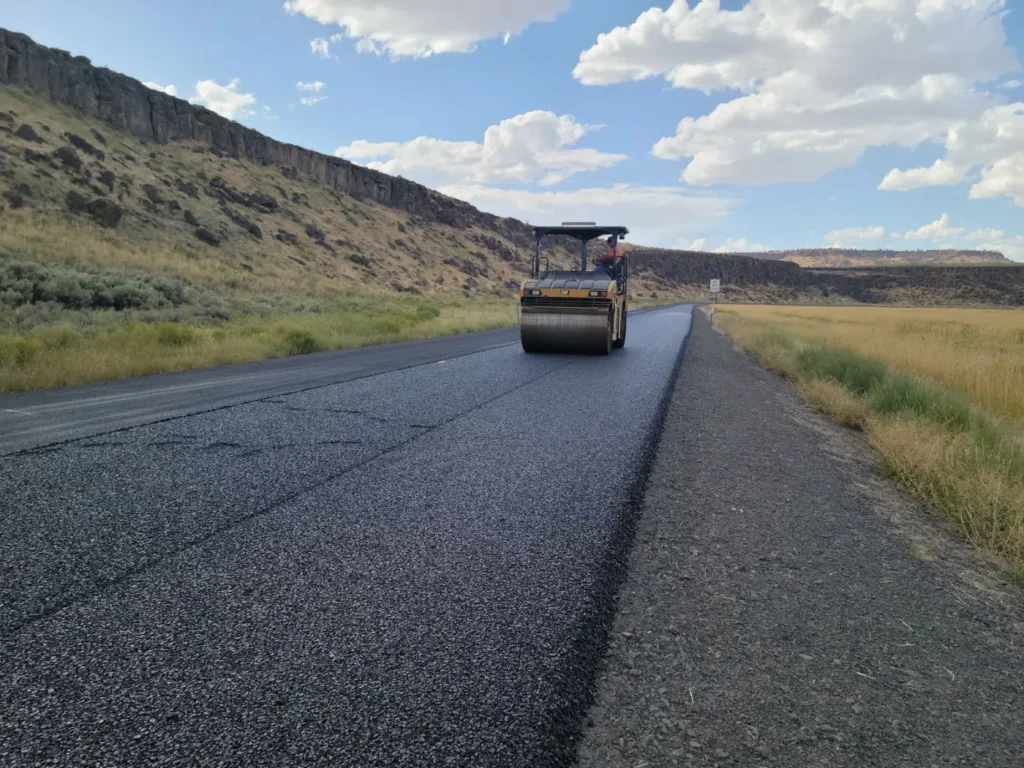
Road roller compacting fresh asphalt on a newly resurfaced road - resurface or replace asphalt in Murfreesboro, TN
Murfreesboro, TN

Resurface or Replace Asphalt in Murfreesboro, TN?

Resurface or Replace Asphalt in Murfreesboro, TN? A worn parking lot often ends up with two very different quotes. One says a fresh overlay will take care of it. The other says the whole thing has to come out. Either one could be right, and the bigger job often costs several times as much. The right answer depends on something you can’t see from the curb: the condition of the base under the asphalt. Surface wear and base failure can look a lot alike, especially after a rough Middle Tennessee winter. Below, we’ll walk through how to read the warning signs, why the soil around Murfreesboro makes this call harder than it is in a lot of places, and what keeps pavement in good shape after the work is done. If you’d rather have someone look at it in person, that’s what our Murfreesboro asphalt team is for. Resurfacing vs. Replacement: What Actually Changes Resurfacing adds a new layer over the pavement you already have. Replacement tears out the asphalt, usually along with the base, and rebuilds everything. In a resurfacing job, crews grind off the worn top layer with asphalt milling and repair damaged spots. A tack coat then helps the new overlay bond to what’s underneath. Done right, the two layers behave like one surface. Replacement is a bigger project. The site gets regraded, a new base is built and compacted, and fresh asphalt goes on top. It costs more and takes longer, but it’s the only real fix once the foundation is gone. When Resurfacing Makes Sense Resurfacing is a smart move when the base is still firm and the problems are shallow. An overlay handles fading, light cracking and a rough, gritty texture well. Look for narrow, scattered cracks rather than ones joined into a web. Water should still drain off after a storm, and nothing should feel soft when a loaded truck rolls across. If that sounds like your lot, asphalt resurfacing can buy you a lot of years for a fraction of what a rebuild costs. One word of caution: a low overlay quote isn’t a bargain if nobody checked the base. Ask the contractor how they know it’s sound. When It’s Time to Start Over Replacement is usually the right call once the base has failed. The clearest signs are alligator cracking across large areas, sections that sink or rut, water that sits after every rain, and potholes that come back no matter how often they’re patched. That last sign tells you a lot. A pothole that returns every spring isn’t a surface problem. It’s water getting into a weak base and working its way back up. Putting an overlay on top of that is like painting over drywall with a leak behind it. It’ll look great for a season or two, and then the old cracks show up right where they were. Why Murfreesboro Pavement Fails Early Clay soil is the biggest reason. Much of the ground around Murfreesboro is clay, which swells when it’s wet and shrinks as it dries. That keeps pushing and pulling on the base under your asphalt. The weather adds to it. Summer heat softens asphalt that wasn’t mixed for it. Winter freeze and thaw cycles pry cracks a little wider each time. Then spring storms push water into every opening they find. Water is what ties it all together. Keep it away from the base and asphalt holds up well here. Let it in and even a fairly new lot can start breaking down. That’s why slope, edges and drainage deserve as much attention as the asphalt itself. What a Proper Assessment Should Cover A good assessment explains why the pavement is failing, not just where. That means checking crack patterns, drainage, base stability and the kind of traffic the surface carries. On commercial lots, delivery trucks and dumpster pads matter as much as daily customer traffic, because heavy loads in one spot wear pavement down faster. Curbs, ramps and lot layout belong in the conversation too. New asphalt covers every line, so plan the parking lot striping and any curb and gutter repair as part of the same job. As for cost, resurfacing almost always comes in lower and usually means less downtime for a business. If part of the property is old, cracked concrete, concrete to asphalt conversion may fit into the same project. Keeping New Asphalt in Shape Most early failures come from cracks and water left alone too long. Seal cracks quickly, sealcoat on a schedule and keep drainage clear, and your pavement has a much better shot at reaching its full lifespan. In practice, that means: Hot rubber crack filling as soon as cracks appear Sealcoating every few years to block sun and oil damage Keeping drains and pavement edges free of debris Patching potholes while they’re small Restriping when the lines fade None of it is glamorous, but it costs far less than replacing a lot ten years early. Got Questions? Frequently Asked Questions ? How long does a resurfaced lot last in Murfreesboro? On a solid base with regular upkeep, a resurfaced lot can last a decade or more. Drainage and soil movement have the biggest say in where yours lands. ? Can you put new asphalt over cracked asphalt? Yes, if the cracks are shallow. Wide, spreading alligator cracks usually mean the base is in trouble, and those cracks will come back through a new layer. ? How long will my lot be closed? An overlay usually keeps cars off for a day or two. Full replacement takes longer, though larger commercial jobs can often be phased so part of the lot stays open. ? When’s the best time to pave around Rutherford County? Late spring through early fall. Asphalt needs warm temperatures to compact properly, and cold winter days make it hard to get a quality result. ? Will resurfacing fix standing water? Sometimes. An overlay can correct minor slope issues, but serious pooling usually calls
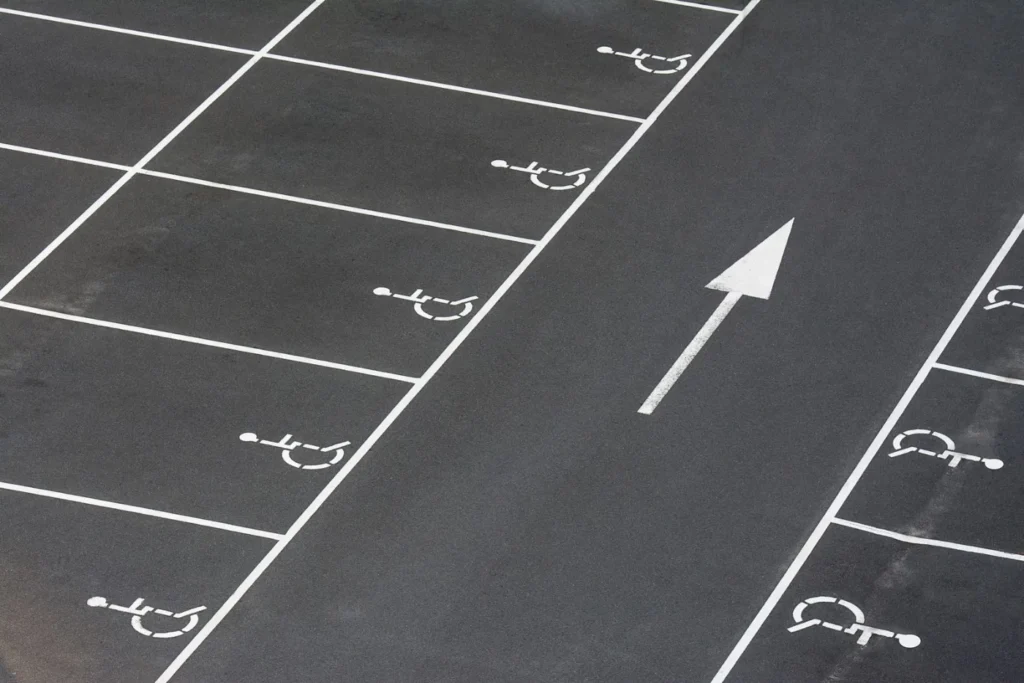
Parking lot with accessible spaces marked by wheelchair symbols and a directional arrow - ADA parking requirements in Murfreesboro, TN
Murfreesboro, TN

ADA Parking Lot Requirements for Murfreesboro Businesses

ADA Parking Lot Requirements for Murfreesboro Businesses Most business owners don’t think about accessible parking until something forces the issue. A customer complains, a lease renewal brings an inspection, or a demand letter shows up pointing to an access aisle that’s too narrow. At that point, a simple striping job has become a compliance problem. ADA parking rules aren’t complicated, but they are specific. Space width, aisle width, slope, signs and the route to your front door all have measurable requirements, and small misses are common on older lots. This guide covers what the federal standards require, how many accessible spaces your lot needs, and the local conditions in Rutherford County that can slowly push a compliant lot out of compliance. When you’re ready to fix or restripe, our handicap parking space marking crew can lay it out to code. Does My Business Parking Lot Have to Be ADA Compliant? If your business is open to the public, yes. Title III of the ADA covers retail stores, restaurants, offices, medical practices and other public accommodations. Any parking you provide for customers or visitors has to include accessible spaces. New lots have to follow the 2010 ADA Standards for Accessible Design. Existing businesses also have an ongoing duty to remove barriers when it’s readily achievable. When a business restripes its parking lot, it must provide accessible parking spaces in accordance with the applicable ADA requirements. Resurfacing, resealing and adding parking spaces also trigger accessibility requirements. Simply refreshing a few existing lines in place may qualify as normal maintenance, but businesses still have an ongoing responsibility to remove accessibility barriers when doing so is readily achievable. How Many Accessible Spaces Does My Lot Need? The number depends on the total spaces in each parking facility. Here’s the federal minimum for most businesses: Total Spaces Accessible Spaces Required Total Spaces Accessible Spaces Required 1 to 25 1 151 to 200 6 26 to 50 2 201 to 300 7 51 to 75 3 301 to 400 8 76 to 100 4 401 to 500 9 101 to 150 5 501 to 1,000 2% of total At least one of every six accessible spaces has to be van accessible. So if your lot only needs one accessible space, that space has to be a van space. Medical offices have a higher bar. Outpatient facilities need 10% of patient and visitor parking to be accessible, and rehab facilities need 20%. ADA Parking Space and Access Aisle Dimensions An accessible car space has to be at least 96 inches wide, with an access aisle at least 60 inches wide next to it. A van space can be 132 inches wide with a 60 inch aisle, or 96 inches wide with a 96 inch aisle. A few details that get missed: Access aisles have to be marked so people don’t park in them. Diagonal hatching is the usual approach. Two accessible spaces can share one aisle, which helps on tight lots. Spaces and aisles can’t slope more than 1:48 in any direction, which is about 2%. Van spaces under a canopy or in a garage need 98 inches of vertical clearance along the route. Signage and Accessible Route Requirements Every accessible space needs a posted sign with the International Symbol of Accessibility, and the bottom of the sign must sit at least 60 inches above the ground. Van spaces need an added “Van Accessible” designation. A painted symbol on the pavement doesn’t replace the sign. The spaces also need to sit on the shortest accessible route to an accessible entrance. That route needs: At least 36 inches of clear width A smooth surface with no steps or lips Ramps that are no steeper than 1:12 If your curb transition doesn’t meet that, handicap ramp installation usually solves it. Tennessee and the City of Murfreesboro can have their own signage and permit rules, so check with the city before ordering signs or starting construction. How Weather and Ground Conditions Affect ADA Compliance Accessible parking spaces must maintain a slope no steeper than 1:48 in any direction. That requirement makes drainage and pavement condition especially important. Across Murfreesboro, soil conditions and drainage vary between properties. Ground movement, poor compaction and water infiltration can gradually affect pavement levels around parking spaces and access aisles. Temperature changes and heavy rainfall can also contribute to pavement cracking, uneven transitions and deteriorating ramp edges. Faded markings create another problem because drivers may no longer recognize access aisles or designated accessible spaces. A lot that met the required measurements when installed may need repairs as the pavement ages. Regular inspections help identify these problems before they interfere with accessibility. Keeping Your Accessible Parking Compliant Walk your accessible spaces once a year, restripe when markings fade, and fix settling or cracking in aisles early. A short annual check costs far less than redoing a section after a complaint. A simple routine: Inspect the route each spring, after the freeze and thaw season Make sure signs are upright, readable and at the right height Restripe faded aisles and symbols with parking lot striping on a regular schedule Fill cracks and patch potholes in aisles before they change the slope Recheck the ADA layout any time you resurface or replace the lot If you’re planning a resurfacing project anyway, that’s the best time to correct the layout. The surface is fresh, the lines are being redone and the extra cost is minimal. Got Questions? Frequently Asked Questions ? Do I need a van space if I only have one accessible space? Yes. At least one in every six accessible spaces has to be van accessible, so a lot with a single accessible space needs it to be van accessible. ? Do ADA parking spaces have to be painted blue? Federal standards don’t require a specific color. Blue is the common choice, though, and some local rules call for it, so check before you paint. ? Can two accessible spaces share one access aisle? Yes. Two spaces

Scroll to Top