All Star Asphalt

Nashville, TN

Nashville, TN

Repair, Resurface, or Replace? Nashville Asphalt Guide

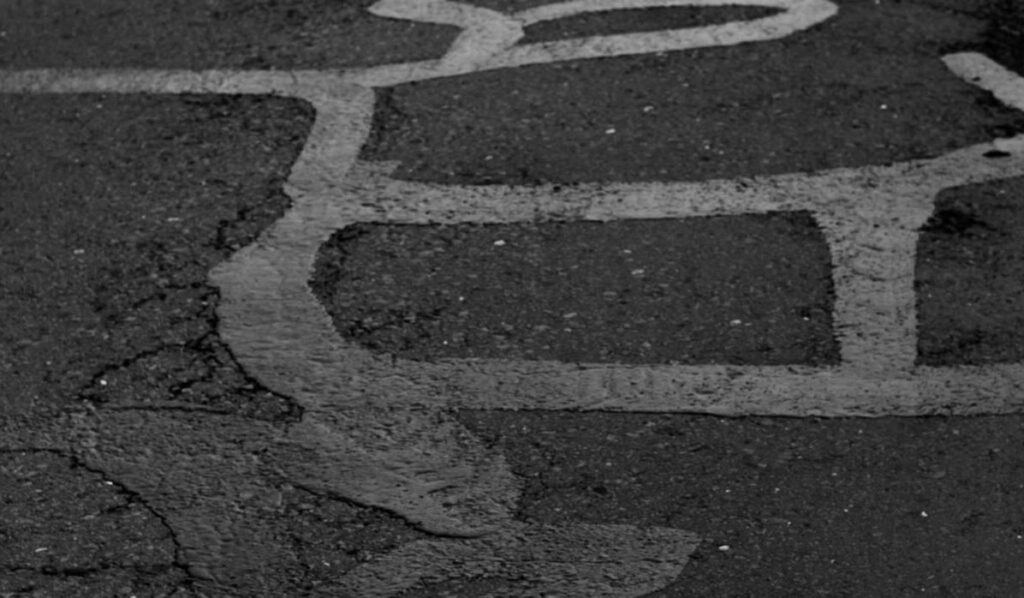
Repair, Resurface, or Replace? Nashville Asphalt Guide Most people don’t think about their driveway or parking lot until something goes wrong. A crack shows up after a rough winter. Then another one. And suddenly you’re standing there on a Saturday morning wondering if this is a small fix or a big check. We hear that question all the time, from homeowners in Donelson to property managers running busy lots off Nolensville Pike. The honest answer? It depends on what’s happening underneath, not just what you see on top. Nashville isn’t gentle on pavement. Our clay soil moves, our summers get hot and sticky, and winter can’t seem to make up its mind. So in this guide we’ll walk through when a repair will do, when resurfacing makes more sense, and when it’s really time to start fresh. And if you’d rather skip the reading, our Nashville asphalt contractor team can come out and check it for you. What’s the Difference Between Asphalt Repair, Resurfacing, and Replacement? Repair takes care of a few problem spots. Resurfacing adds a fresh layer over pavement that’s still solid underneath. Replacement means pulling everything up and rebuilding it from the base. Think of it like this. Repair is fixing a leak, resurfacing is new paint on good walls, and replacement is when the walls themselves need to come down. Each one has its place, and the cost (plus the time your lot or driveway is out of use) goes up as you move down that list. When Is Asphalt Repair Enough? If the damage sits in a few spots and the rest of the pavement still feels firm under your feet, a repair is usually all you need. It’s the most affordable option too, which is exactly why catching things early saves so much money. Walk your driveway or lot after a good rain. Are the cracks thin? Just a pothole or two? Is the water running off instead of sitting in puddles? If so, you’re probably fine. That’s where crack sealing and asphalt patching come in. They keep water out of the base. And honestly, keeping water out is most of the battle with asphalt. When Should You Resurface Instead of Repair? Resurfacing makes sense when the whole surface is worn out but the foundation is still in decent shape. You’ll usually notice faded gray asphalt, loose gravel on top, and lots of small cracks spread out everywhere. An asphalt overlay brings back that smooth, dark finish for far less than a full tear out. We see it work really well on older commercial lots around town. The kind that were built right years ago but just haven’t had much care since. One word of caution though. An overlay can’t fix a bad base. If the ground underneath is failing, those old cracks will come right back through the new layer, sometimes within a year. So please make sure whoever you hire checks the base first. What Signs Mean Your Asphalt Needs Full Replacement? Replacement is the right call once the base gives out. The big warning signs are alligator cracking, sunken areas, and pavement that’s pushing 20 years old. Alligator cracking is pretty easy to spot. It’s a tight pattern of connected cracks, almost like reptile skin. Add in dips where water collects, tire ruts, or patches that keep breaking in the same place, and you’re dealing with a problem below the surface. Our rough rule? If a third or more of the pavement needs work, replacing it usually costs less in the long run. For homeowners, driveway replacement gives you decades of peace of mind. For business owners, new parking lot paving is also a good chance to finally fix those drainage or layout headaches. How Does Nashville’s Climate Affect Asphalt Damage? Nashville weather wears asphalt down in three ways: constant freezing and thawing, heavy rain, and clay soil. Bad drainage makes every one of them worse. Our winters aren’t harsh, but the temperature keeps dropping below freezing and climbing back up. Water gets into small cracks, freezes overnight, and pushes them open a little more. Do that all winter long and by March there’s a pothole where a hairline crack used to be. Then there’s the clay. It swells when it rains and shrinks when it dries, so the ground under your pavement never really sits still. Come July, the heat softens the asphalt and delivery trucks leave ruts behind. It’s no surprise busy lots here wear out sooner than owners expect. What’s the Best Time of Year for Asphalt Work in Nashville? Late spring through early fall is the best window for most projects. Asphalt needs temperatures to stay above about 50°F so it can compact properly before it cools. Paving and overlays go best from April into October. Sealcoating needs a few warm, dry days in a row, which isn’t always easy with our spring storms. Crack sealing is ideal in the fall, right before the cold sets in. Potholes can still get a temporary patch any time they become a safety issue. If you manage a commercial property, it really helps to call early in spring. Schedules fill up fast, and most businesses need work done around their hours. How Can You Make New or Repaired Asphalt Last Longer? Sealcoat on schedule, fix cracks quickly, and don’t let water sit. Those three habits do more for your pavement than anything else. Sealcoat every 2 to 3 years. Give new asphalt 6 to 12 months to cure first. Sealcoating guards against sun, water, and oil leaks. Seal cracks every fall. It’s inexpensive and it’s the best way to stop potholes before they start. Keep water moving. Clear the drains and fix low spots before they turn into ponds. Restripe after sealing. Fresh line striping keeps your lot safe, clean, and ADA compliant. Got Questions? Frequently Asked Questions ? How long does an asphalt driveway last in Nashville? Usually 15 to 20 years with regular sealcoating and crack repair.
Nashville, TN

How Long Does New Asphalt Take to Cure in Nashville?

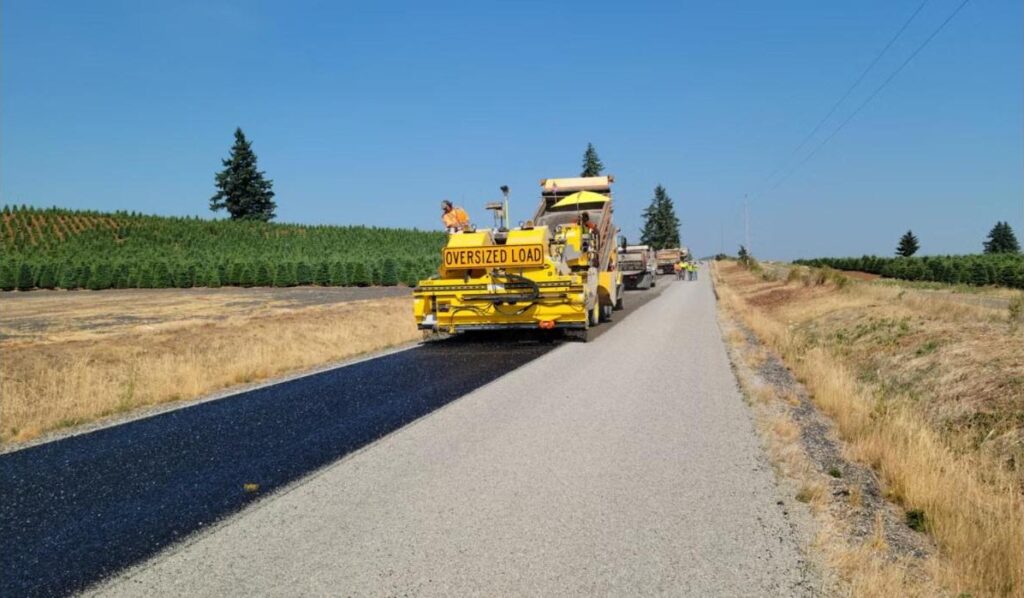
How Long Does New Asphalt Take to Cure in Nashville? Fresh asphalt looks finished the second the roller pulls away. It isn’t, not really. Hot mix sets up fast enough to walk on, but underneath it keeps hardening for months while the oils in the binder slowly work their way out. That gap between looks finished and actually finished is where most of the questions come from. When can tenants park? When can the lot get striped so the doors can open Monday? How long before anybody touches it with sealer? And in this part of Middle Tennessee, the answers shift a little, because a humid July here does things to pavement that a dry climate never would. Worth understanding before you commit to a schedule. What Does It Mean for Asphalt to Cure? Curing is the slow hardening that happens after the pavement cools. It isn’t a chemical set the way concrete is. The surface firms up enough for traffic within a day or so, but full curing usually runs somewhere between six and twelve months. What’s happening in there is simple enough. Oils in the binder evaporate and oxidize over time. The asphalt starts out dark, soft, a little flexible, then stiffens and fades slightly. That early softness is normal. It just means new pavement scuffs and dents in ways a year old surface won’t. When Can You Drive and Park on New Asphalt? Passenger vehicles can usually get on it after 24 to 72 hours, depending on the weather. Heavy trucks, dumpster pickups and equipment should wait longer, and during a hot stretch your contractor may push that out further. For the first few weeks, a handful of habits matter more than people expect: Don’t crank the steering wheel while you’re stopped. Power steering scuffs soft asphalt fast. Rotate where people park, especially in the spots that fill every single morning. Keep concentrated weight off it. Kickstands, trailer jacks, ladder feet. Set them on a board. Stay off the outside edges. That’s the weakest part of a new lot. How Soon Can a New Parking Lot Be Striped? A new lot can generally be striped within a few days of paving, which is how most businesses manage to open on time. Commercial properties rarely have a choice anyway. Fire lanes, accessible spaces and traffic flow have to be marked before the public uses the lot. The tradeoff is bonding. Paint laid on fresh asphalt doesn’t always hold the way it will six months later. Plenty of owners treat that first layout as a working set of lines and plan a full parking lot restriping after the first sealcoat. Budget for that second pass up front and it stops being a surprise. A crew handling paving and line marking in Nashville can tell you what paint makes sense for your surface and when. When Should New Asphalt Be Sealcoated? Sealcoating new asphalt usually waits at least 90 days, and a lot of contractors would rather see six months to a year. The surface needs time to give up its oils before anything goes over it. Seal it too early and you can trap those oils underneath, which leaves the pavement soft and the sealer likely to peel. Wait too long, though, and sun and water start oxidizing the surface, which is the exact thing sealcoating an asphalt lot exists to slow down. So the right window depends on the mix, the season it was laid and how much traffic it takes. Better to have someone inspect it than to go strictly by the calendar. How Nashville’s Climate and Soil Affect the Timeline Heat and humidity here tend to slow early hardening, while the clay underneath shapes how the lot performs years later. Two separate problems, both worth planning around. Summer heat. Pavement runs far hotter than the air on a July afternoon, so fresh asphalt stays soft longer. Summer jobs need more patience before heavy use. Storms and humidity. Sealcoating and striping need dry pavement, a dry forecast and mild temperatures, generally above 50°F. Spring and summer storms move dates constantly. Late season paving. Anything laid in late fall hardens slowly through winter, which usually pushes the first sealcoat into the next warm season. Clay soil. Middle Tennessee clay swells wet and shrinks dry. No waiting period fixes a weak base. Drainage and base prep matter more than cure time ever will. How to Protect New Asphalt Through Its First Year Year one is mostly about preventing damage while the surface firms up, and catching the small stuff before it turns into the expensive stuff. Clean up gas, oil and antifreeze quickly. Petroleum softens asphalt. Keep catch basins and drainage paths clear so water isn’t sitting on the lot. Watch for hairline cracks, particularly along edges and around drains. Get the first sealcoat scheduled once the surface is ready, then build a maintenance rhythm from there. Small cracks are cheap. Patching is not. Hot rubber crack filling before water reaches the base is one of the easiest ways to keep a new lot out of asphalt patch repair territory. A Simple First Year Timeline for a New Commercial Lot Most new commercial lots follow roughly the same order: traffic within days, striping shortly after, sealcoating inside the first year. First year timeline for a new commercial asphalt lot Timeframe What usually happens First 24 to 72 hours Keep traffic off, then let passenger vehicles on First several days Initial striping for fire lanes, accessible spaces, layout First 1 to 2 weeks Heavier trucks and deliveries, carefully 90 days to 12 months First sealcoat, once the surface is actually ready After sealcoating Full restripe for cleaner lines that last Timing moves with the mix, the weather and how hard the lot gets used. Got Questions? Frequently Asked Questions ? Can new asphalt be sealcoated the same year it’s paved? Sometimes, yes. A lot paved in spring might be ready by fall, while late season paving usually waits until

Scroll to Top